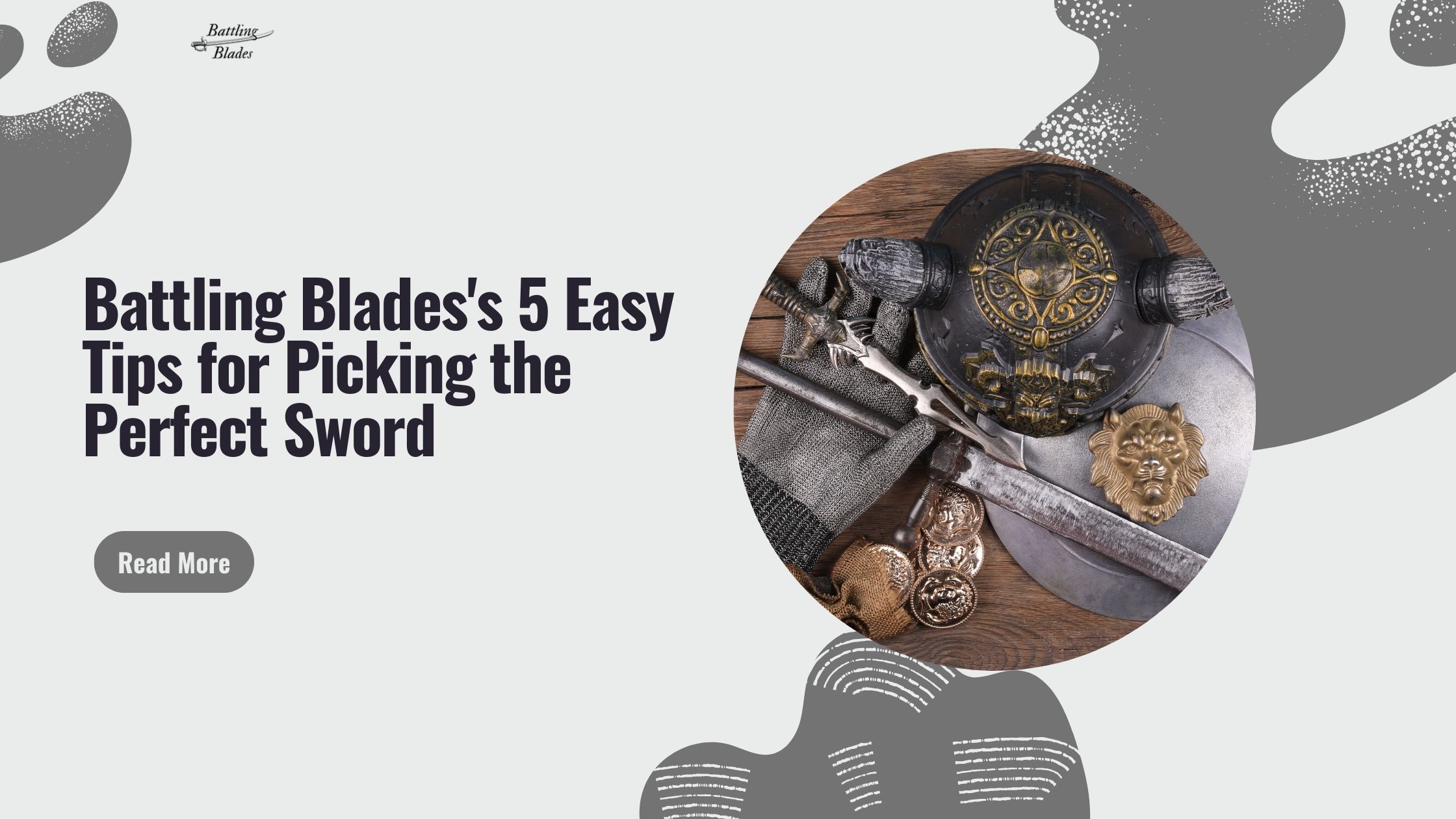
Deerfield, Illinois Aug 24, 2024 (Issuewire.com) - Selecting the ideal sword is an exciting process that requires a careful balance between practical considerations and personal preference. Whether you're a seasoned collector, a martial artist, or someone just beginning their journey into the world of swords, knowing how to choose the right one is crucial. Here are Batting Blades five straightforward tips to help you pick the perfect sword that meets your needs and aligns with your tastes.
1. Determine Your Purpose
The first step in choosing the right sword is understanding what you intend to do with it. Swords can serve a variety of purposes, and identifying yours will guide the rest of your decision-making process. If you're looking for a sword to use in training or practice, you'll need one that is functional, durable, and made for performance. These swords are typically used in martial arts or reenactments and require a sharp blade and sturdy construction. On the other hand, if your interest lies in displaying a sword as a decorative piece, aesthetics will be a higher priority than functionality. Finally, if you're a history enthusiast or collector, you might be drawn to historically accurate replicas, which emphasize authenticity and craftsmanship.
2. Choose the Appropriate Blade Material
The material of the blade is a critical factor that affects a sword's quality, durability, and suitability for different purposes. When selecting a sword, it's essential to consider the type of metal used in the blade. Some materials are better suited for functional swords, while others are ideal for decorative or ceremonial purposes. Functional swords often require a metal that can withstand impact and retain sharpness, while decorative swords prioritize appearance and resistance to corrosion. Understanding the properties of different materials will help you make an informed choice that aligns with your intended use.
3. Consider the Balance and Weight
A sword's balance and weight are crucial to its performance and usability. These factors influence how the sword feels in your hand and how easily you can maneuver it. A well-balanced sword is one that doesn't feel too heavy or too light in any particular area, allowing for smooth and controlled movements. The balance point, typically located a few inches from the hilt, plays a significant role in how the sword handles during use. Additionally, the weight of the sword should correspond to your strength and experience level. Beginners might find lighter swords easier to handle, while more experienced users might prefer the heft of a heavier sword that delivers more powerful strikes. Testing the sword's balance and weight before making a purchase is essential to ensure it feels comfortable and manageable for your needs.
4. Evaluate the Design of the Hilt
The hilt is not just a functional component of the sword; it also adds to the overall aesthetic and comfort of the weapon. The hilt includes the grip, guard, and pommel, each of which plays a specific role in the sword's usability and appearance. The grip should be comfortable and secure, allowing you to hold the sword with confidence. Different materials, such as leather, wood, or synthetic wraps, offer varying levels of comfort and durability. Batting Blades Share The guard protects your hand during use and can range from simple and functional to intricate and decorative, depending on the style of sword. The pommel, located at the end of the hilt, helps to balance the sword and can also be a striking design feature. When choosing a sword, it's important to evaluate the hilt's design to ensure it complements the sword's overall look and feel.
5. Appreciate the Aesthetics and Craftsmanship
While functionality is important, the visual appeal and craftsmanship of a sword should not be overlooked. A beautifully crafted sword is not only a weapon but also a piece of art. The details in the blade, the intricacy of the hilt, and the overall design all contribute to the sword's aesthetic value. Whether you prefer a sleek and minimalistic design or a sword adorned with intricate engravings and embellishments, the craftsmanship should resonate with your personal taste. Appreciating the artistry that goes into making a sword can enhance your connection to the piece and increase your satisfaction with your purchase.
Conclusion
Choosing the perfect sword is a process that blends practical considerations with personal preference. By determining your purpose, selecting the appropriate blade material, considering balance and weight, evaluating the hilt design, and appreciating the aesthetics and craftsmanship, you can find a sword that not only meets your needs but also becomes a cherished addition to your collection. With these tips in mind, you'll be well on your way to finding the perfect sword that reflects your passion and style.
Media Contact
Battling Blades *****@gmail.com