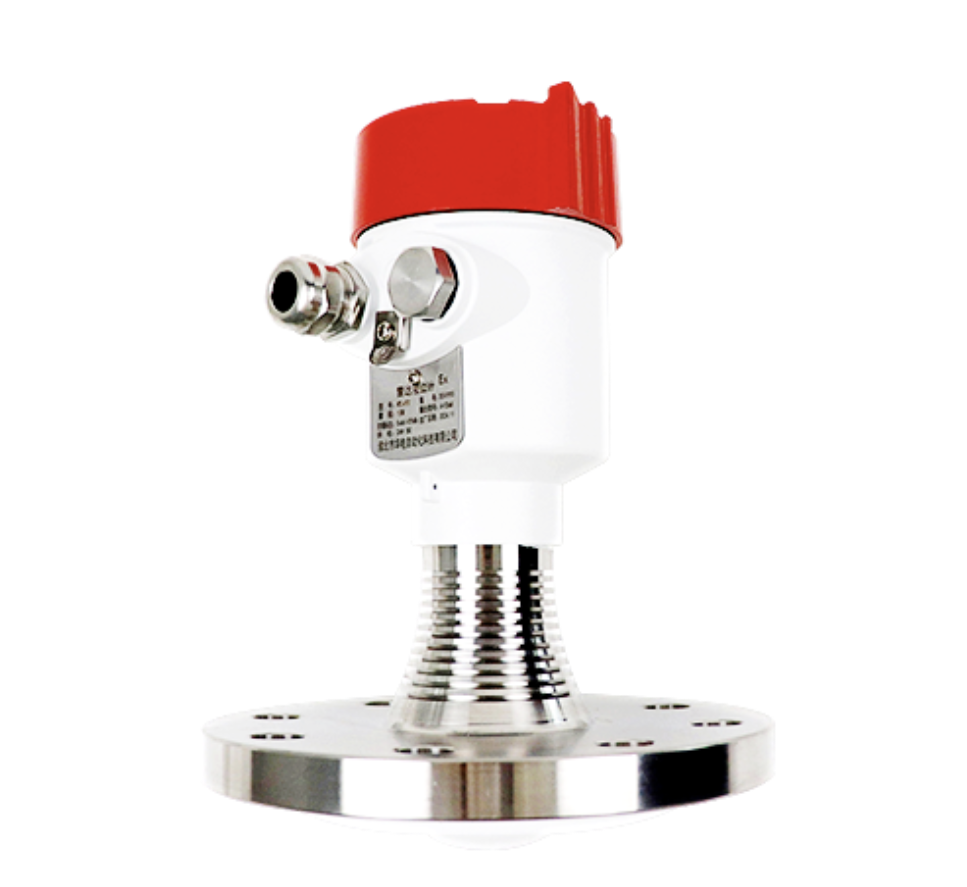
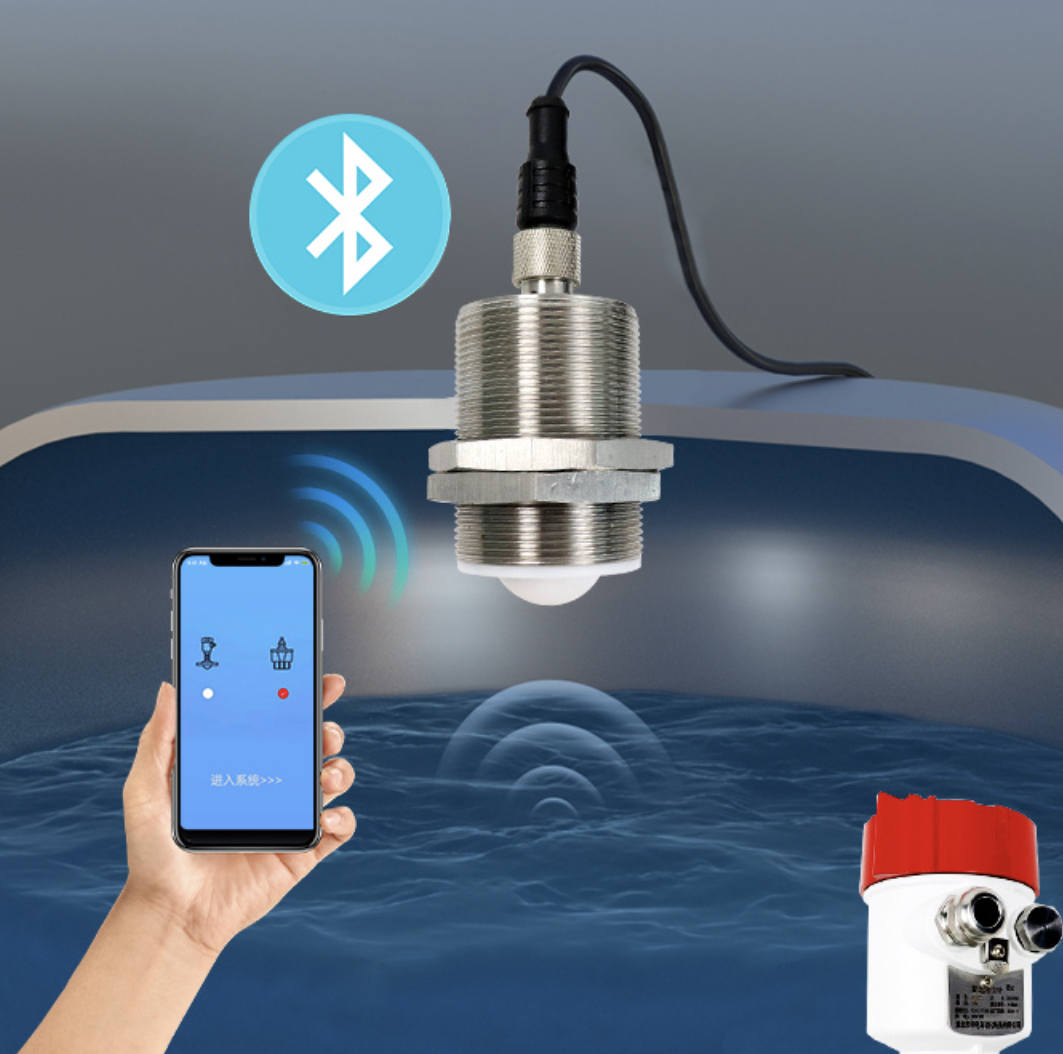
Fengyang, Anhui Oct 11, 2026 (Issuewire.com) - Bulk solid storage represents a fundamental component of modern process automation across industries such as cement manufacturing, grain processing, plastics, power generation, and mining. Heavy industrial silos routinely hold thousands of tons of dry materials, including fine powders, coarse aggregates, and synthetic granules. Managing these massive inventory volumes requires continuous, highly accurate level monitoring to prevent catastrophic vessel overfills, structural strain, and costly process interruptions. However, continuous level measurement within bulk solid vessels presents severe physical challenges that traditional instrumentation struggles to overcome. Extremely dense airborne dust clouds, low dielectric constant media, and uneven material topographies created by sloped angles of repose frequently disrupt sensor signals. As process facilities scale up storage capacity and automate supply chains, partnering with a certified Custom High-Frequency Radar Level Transmitter Factory (https://en.hd-a.cn/pro_detail/80G_Radar_Level_Transmitter_Flange-Mounted_Type.html) becomes vital for maintaining operational continuity. Rather than relying on generic off-the-shelf sensors, plant engineers require specialized radar instruments engineered with narrow beam angles, customized mounting configurations, and advanced signal processing capabilities. Understanding wave dispersion physics and antenna geometry allows technical teams to implement reliable level monitoring solutions that optimize inventory control and protect critical plant assets. Wave Dispersion Physics: Why 80GHz Radar Outperforms Ultrasonic and Low-Frequency Alternatives For decades, process engineers specified acoustic and low-frequency microwave devices to monitor vessel inventory. However, field operations consistently reveal the physical limitations of these traditional technologies in heavy dust environments. Standard ultrasonic level meters (https://en.hd-a.cn/pro_detail/Ultrasonic_Level_Meter_-_Integrated_Type.html) depend on mechanical sound wave propagation through the internal vapor space. In bulk solid silos, dense suspended dust particles absorb acoustic energy rapidly, attenuating the echo signal before it returns to the transducer. Furthermore, ambient temperature gradients, air pressure fluctuations, and acoustic noise generated by filling equipment severely distort sound velocity calculations. To eliminate these physical vulnerabilities, modern process facilities adopt 80GHz Frequency Modulated Continuous Wave (FMCW) radar technology. Operating at 80GHz offers distinct physics-based advantages over legacy 26GHz radar units and acoustic devices. Electromagnetic waves travel at the speed of light, remaining entirely unaffected by atmospheric dust, temperature swings, or air pressure variations within the silo. More importantly, the higher operating frequency allows radar transmitters to emit an extremely narrow energy beam. While a conventional 26GHz radar transmitter produces a wide beam angle of ten to fifteen degrees, an 80GHz transmitter equipped with a small lens antenna concentrates energy into a focused three-degree beam. This narrow signal path prevents destructive false reflections from internal silo obstacles, such as ladders, reinforcement beams, structural struts, and sidewall material buildup. In addition, advanced 80GHz radar transmitters feature exceptional Signal-to-Noise Ratio (SNR) characteristics, enabling the system to detect faint echo reflections from lightweight plastic powders and synthetic pellets with dielectric constants as low as er 1.6. Geometric Precision: Antenna Topology, Angle of Repose, and Installation Offset Dynamics Measuring bulk solids introduces geometric variables that do not exist in liquid level applications. When bulk materials enter or exit a tall storage vessel, the product forms sloped conical heaps determined by its internal friction, known as the material angle of repose. During filling, a convex cone develops, whereas discharging creates a concave funnel. These sloped surfaces act as directional reflectors, deflecting incoming radar energy away from the receiver antenna instead of bouncing signals directly back upward. Overcoming signal dissipation caused by angled product surfaces requires precise mechanical mounting and optical antenna design. Engineers utilize adjustable swivel flange assemblies to tilt the radar transmitter, aligning the beam perpendicular to the sloped material surface. This angular adjustment maximizes echo signal return strength back to the receiver. Furthermore, heavy dust settlement poses a continuous threat to optical transmission components. Fine particulate matter adhering to the antenna lens degrades signal clarity over time, eventually causing total measurement loss. To resolve this maintenance challenge, advanced radar transmitters incorporate flush-mounted PTFE or PEEK lens antennas featuring integrated compressed air purging channels. Connecting a continuous low-pressure air line to the purging port creates a positive pressure curtain that sweeps dust off the lens face without interrupting measurement. In addition to antenna maintenance, strategic installation placement remains critical. Technicians follow the "one-third radius rule," mounting the transmitter approximately one-third of the distance from the vessel wall to the center axis. This position avoids central material inflow streams, minimizes sidewall boundary layer interference, and provides a representative measurement of true average inventory volume. Field Application Engineering: Custom Flange Manufacturing and Sensor Tailoring by HHD Deploying high-frequency radar technology in complex bulk solid applications demands adaptable hardware engineering and custom manufacturing support. Standard off-the-shelf instruments rarely fit the diverse process connections, extreme ambient temperatures, and corrosive atmospheric conditions found across global processing plants. Addressing these industrial customization challenges, HHD (https://www.hd-a.cn/aboutus.html) (Huaibei Huadian Automation Technology Co., Ltd) manufactures high-performance 80GHz radar level transmitters designed specifically for challenging bulk solid environments. Operating under certified ISO 9001 quality management frameworks, the engineering team at Huaibei Huadian Automation Technology Co., Ltd customizes flange dimensions, pressure ratings, and extended antenna extensions to match unique vessel geometries. The specialized product line developed by HHD integrates high-speed microprocessor architecture and intelligent multi-echo tracking algorithms. These proprietary digital processing routines analyze complex reflection profiles, automatically filtering out transient dust turbulence, structural echoes, and agitator blade interference. Furthermore, Huaibei Huadian Automation Technology Co., Ltd provides versatile process communication options, including standard 4-20mA HART, RS485 Modbus RTU, and digital fieldbus protocols for seamless integration into central Distributed Control Systems (DCS) and Energy Management Systems (EMS). By combining robust mechanical design with customized factory engineering, HHD enables industrial operators to maintain precise continuous inventory control across demanding bulk storage facilities. Conclusion: Advancing Precision in Bulk Solid Inventory Monitoring Accurate continuous level monitoring forms the foundation of efficient inventory management, operational safety, and supply chain automation in modern bulk material processing. Transitioning from legacy acoustic sensors to advanced 80GHz FMCW radar technology eliminates historical measurement vulnerabilities caused by heavy dust, low-dielectric media, and sloped material topographies. Evaluating physical factors like beam angle, antenna purging, and swivel flange alignment ensures long-term signal stability in tall storage silos. Partnering with a dedicated field instrumentation manufacturer like HHD allows process facilities to secure custom-engineered radar solutions that lower maintenance overhead, eliminate process downtime, and guarantee precise inventory visibility worldwide. Official Website: https://www.hd-a.cn/.
Media Contact
HHD *****@huadianauto.com http://www.hd-a.cn/