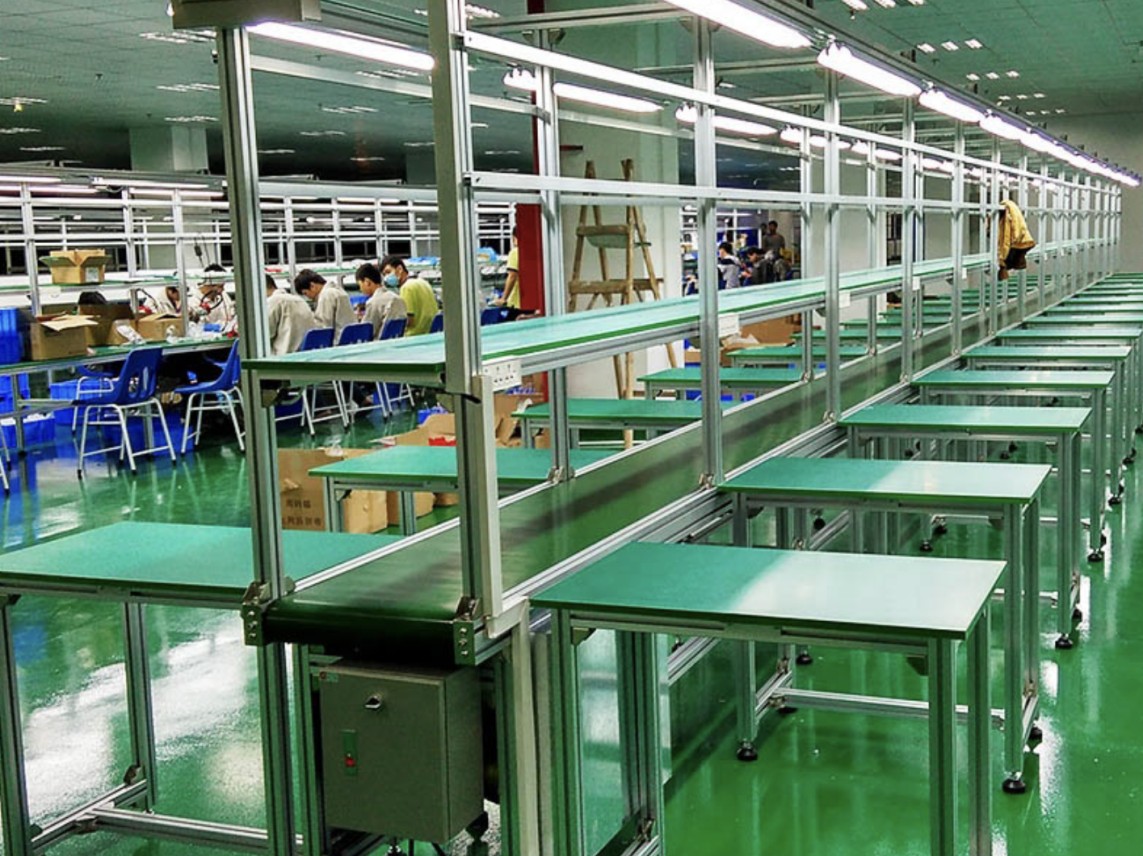
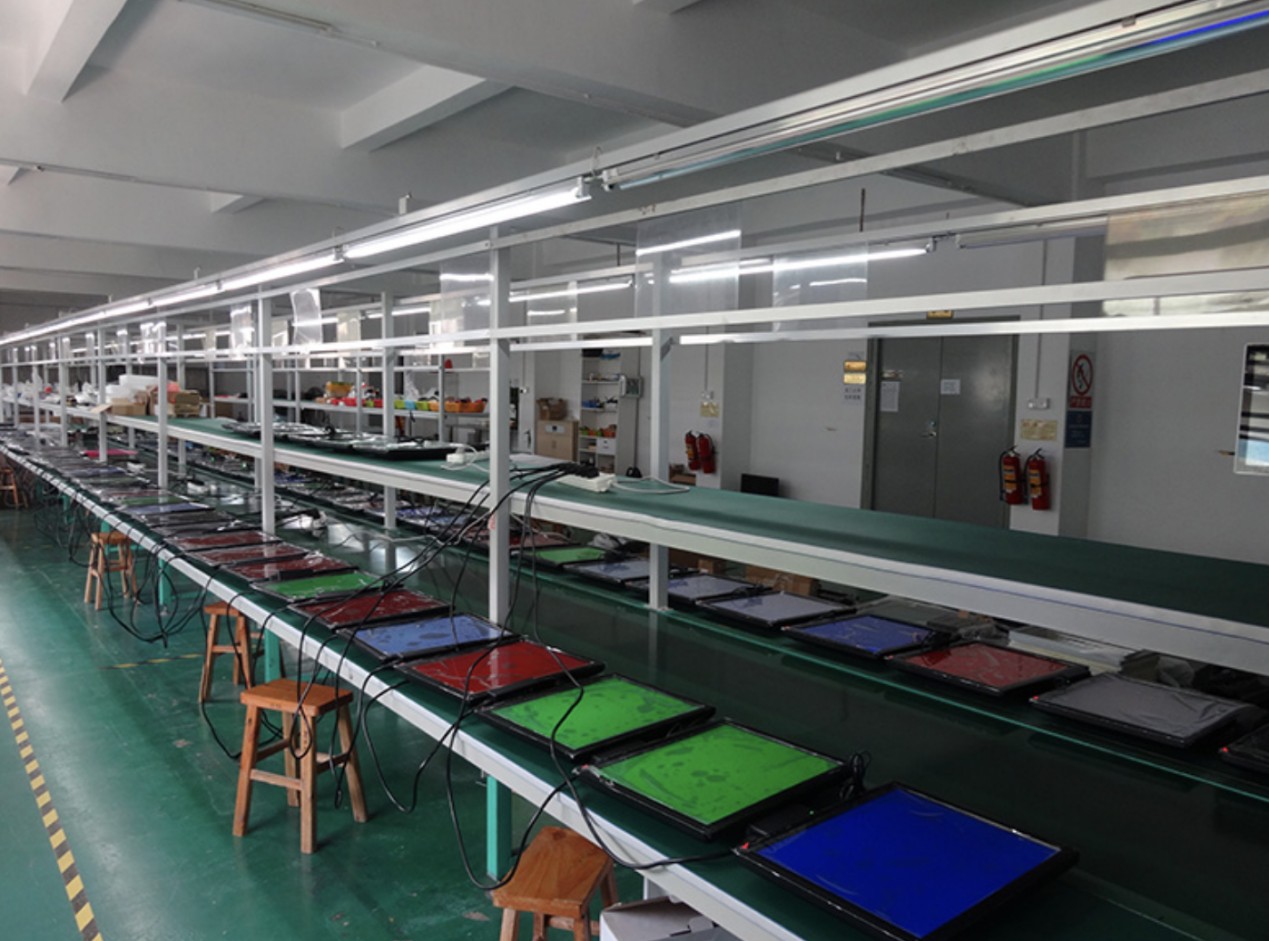
Shenzhen, Guangdong Jul 2, 2026 (Issuewire.com) - How can a factory maintain consistent output while labor costs continue to rise? Is it possible to eliminate human error in repetitive assembly tasks without compromising workplace safety? In high-volume manufacturing facilities, the transition from manual labor to synchronized mechanical movement often begins with a single conveyor belt. For an electronics assembly plant or a household appliance factory, the precision of this movement determines the daily output and the safety of the workforce. As the demand for consistency increases, integrated systems have become the backbone of modern production.
Hongdali, a China Leading Automatic Assembly Line Supplier, has addressed these requirements since 2009 by developing intelligent automatic assembly line solutions that bridge the gap between raw components and finished goods. An automatic assembly line is more than a series of motors and belts; it is a complex coordination of mechanical engineering, electrical control, and ergonomic design. These systems, ranging from simple PVC belt conveyors to sophisticated TV assembly lines, allow for the seamless transfer of parts through various stages of assembly, testing, and packaging.
The Dual Value of CE Certification: Access and Safety
In the international trade of industrial machinery, compliance acts as the fundamental bridge between manufacturers and global markets. For equipment entering the European Union, the CE marking is not a voluntary quality seal but a mandatory legal requirement under the Machinery Directive (MD). This certification serves as a "passport," confirming that the equipment meets essential health and safety requirements. Hongdali integrates CE standards with its ISO 9001 quality management system to ensure that every automatic assembly line supplier project adheres to rigorous safety protocols.
This certification addresses two critical concerns for overseas buyers: operational safety and regulatory compliance. By aligning technical designs with European standards, the equipment ensures adequate electrical insulation, emergency stop functionality, and mechanical shielding. This systematic approach to safety reduces the risk of workplace accidents and ensures that the machinery can be legally operated within highly regulated industrial zones.
Product Compliance from Standard Models to Custom Systems
Achieving compliance requires a meticulous design process that covers both standard components and large-scale, non-standard systems. For foundational equipment such as PVC belt conveyors and roller lines, the design follows standardized CE protocols for structural integrity and electrical safety. These units serve as the building blocks for more complex industrial environments, providing reliable transport for goods in sectors like warehousing, logistics, and food service.
However, the challenge of compliance increases when designing specialized systems like air conditioner assembly lines or washing machine production units. These non-standard automatic assembly line solutions involve multi-stage processes including assembly, vacuuming, refrigerant charging, and functional testing. To ensure these large-scale systems meet international standards, comprehensive risk assessments are conducted during the engineering phase. By selecting certified critical components and implementing fail-safe control logic, the entire production line is rendered compliant upon delivery, allowing the end-user to integrate the machinery into their facility without the need for extensive structural modifications.
Supply Chain Integrity and Quality Control
The reliability of an automatic assembly line supplier is often reflected in the components hidden beneath the outer casing of the machinery. To maintain the standards required for international export, the selection of motors, sensors, and pneumatic parts is governed by strict technical criteria. Hongdali utilizes high-performance components—including precision gear motors, industrial-grade frequency converters, and durable pneumatic elements—all of which carry their own international certifications to ensure system stability.
This focus on component-level quality ensures that the drive systems, control logic, and actuators function with high repeatability. Beyond the hardware, the quality control process extends to technical documentation. Providing a complete Technical Construction File (TCF), detailed circuit diagrams, and a formal Declaration of Conformity (DoC) is standard practice. This transparency in documentation supports the auditing needs of European and global clients, ensuring that maintenance teams have the necessary information to keep the lines running efficiently.
Practical Export Experience and Global Support
Navigating the diverse regulatory landscapes of different countries requires more than technical skill; it requires practical experience in international logistics and local compliance. With a dedicated foreign trade team, the company has exported equipment to a wide range of markets, including Germany, Italy, Poland, Saudi Arabia, and various nations across Southeast Asia and Africa. Each of these regions presents unique requirements, from voltage specifications to specific safety labeling.
Success in these markets is supported by a service framework designed for remote environments. Since an automatic assembly line is a long-term investment, providing comprehensive English-language operating manuals and remote technical support is essential. This ensures that even in locations far from the manufacturing base, such as Pakistan or Turkey, local engineering teams can perform installation, routine maintenance, and troubleshooting within the safe parameters established by the equipment’s certification.
Building Trust Through Industrial Compliance
The integration of CE and ISO 9001 standards offers tangible economic benefits to manufacturing enterprises. In terms of logistics, having the correct certification significantly reduces the risk of customs delays or equipment impoundment at international ports. This efficiency in clearing customs prevents costly delays in factory commissioning and avoids the financial burden of retrofitting non-compliant machinery.
Ultimately, the role of a professional supplier is to foster a relationship of trust with the client. By positioning itself as an international compliance partner, Hongdali focuses on helping enterprises optimize their production capacity while ensuring the safety of their workforce. The shift toward automated production is a practical response to the need for higher productivity and hand-free operation for workers. As manufacturers in industries ranging from lithium batteries to household appliances continue to upgrade their facilities, the demand for verified, high-quality assembly systems remains a constant in the pursuit of industrial efficiency.
For more information on industrial assembly and conveyor solutions, please visit: https://www.szassemblyline.com/.
Media Contact
Shenzhen Hongdali Technology Co.,Ltd *****@conveyor-szhongdali.com +8613424296707 805, 8th Floor, Building 3, Hejianyungu, No. 8 Xinwang Road, Xinsheng Community, Longgang Street, Longgang District, Shenzhen http://www.szassemblyline.com