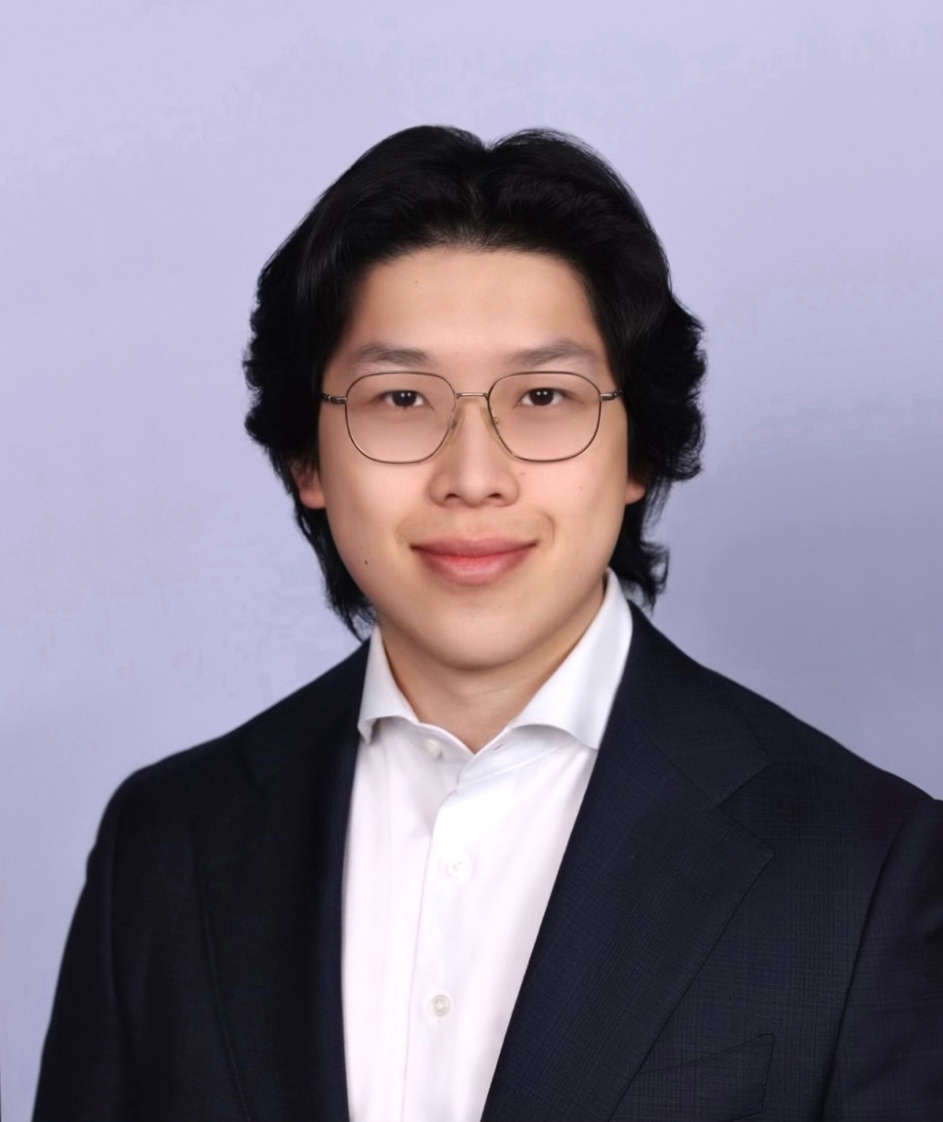
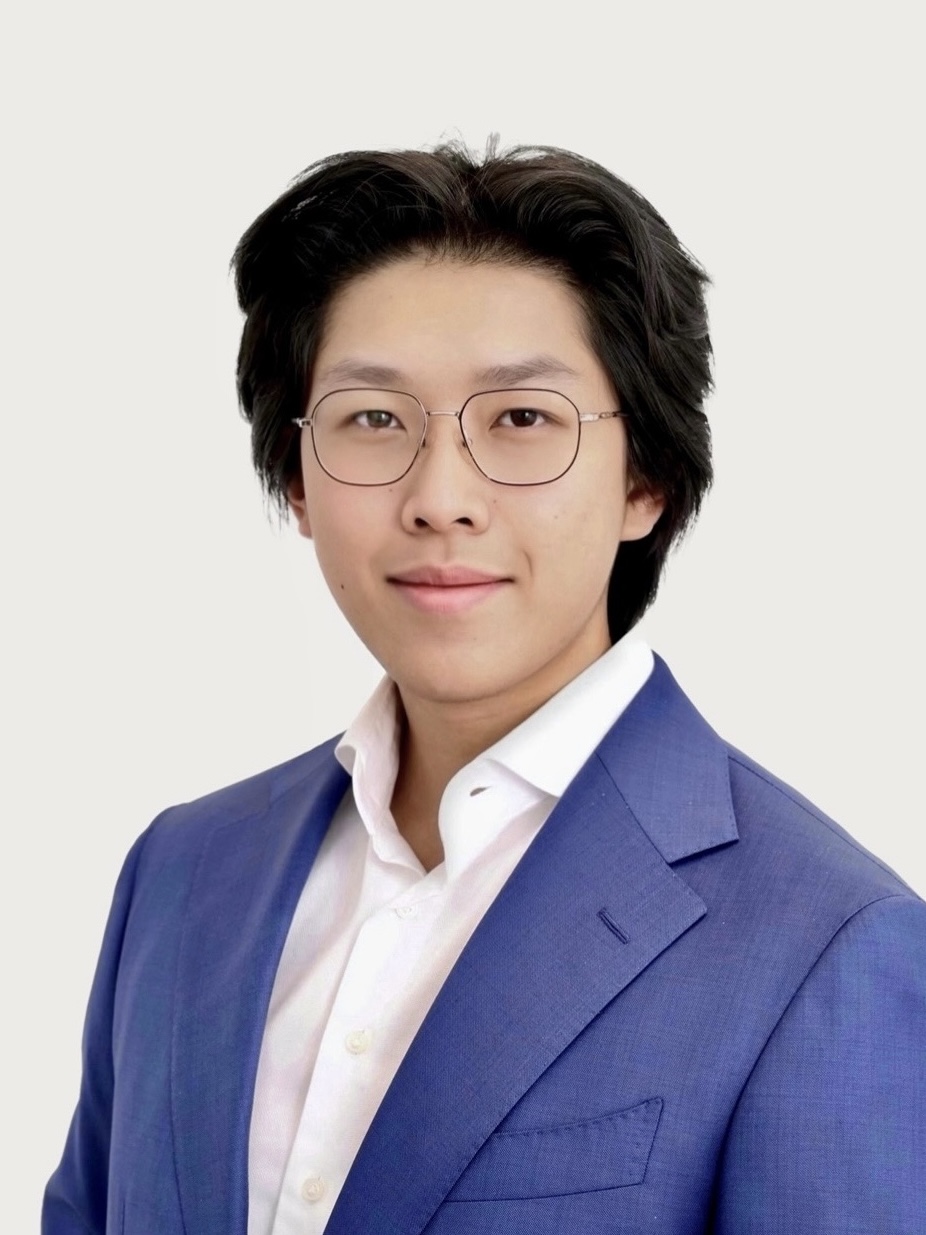
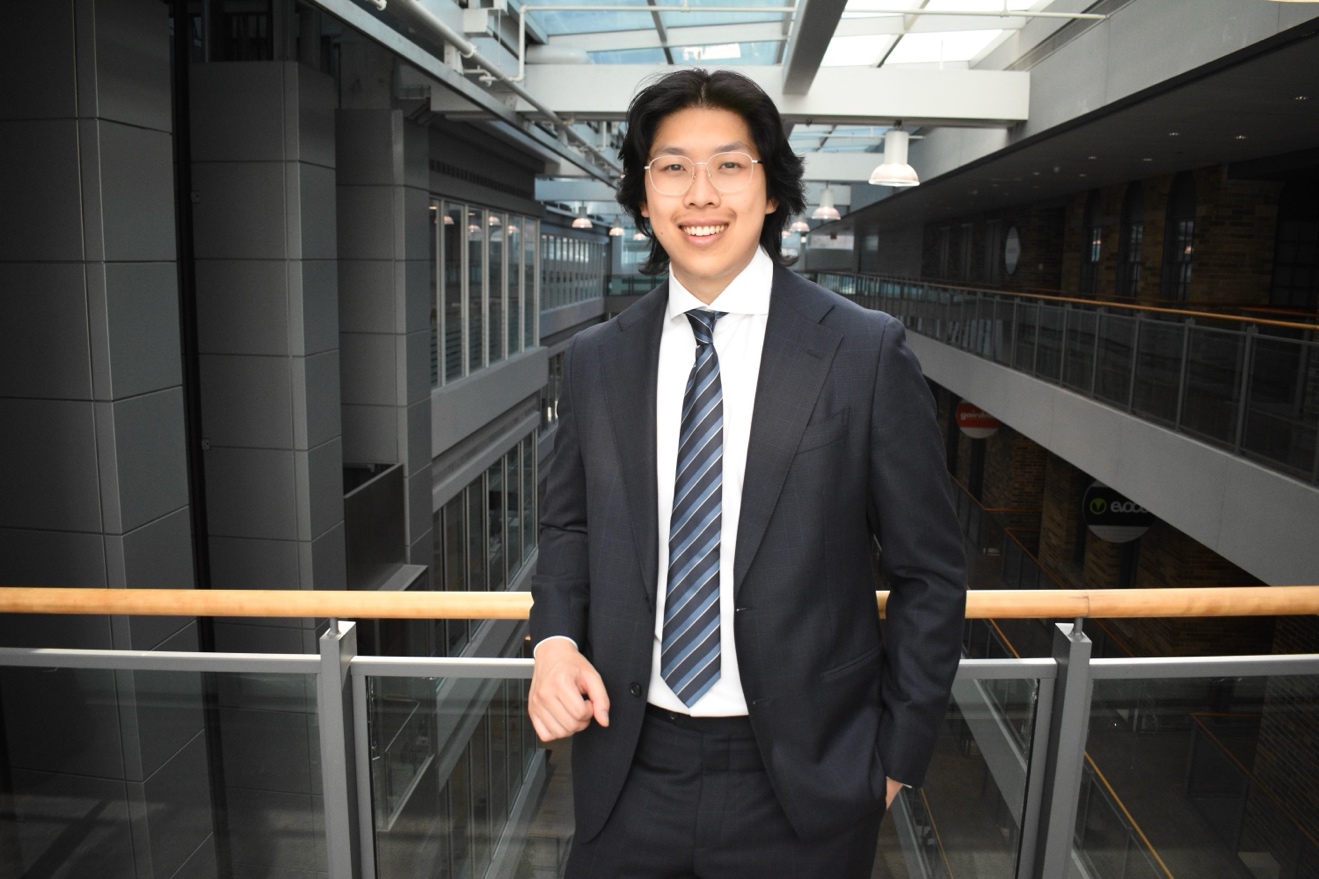
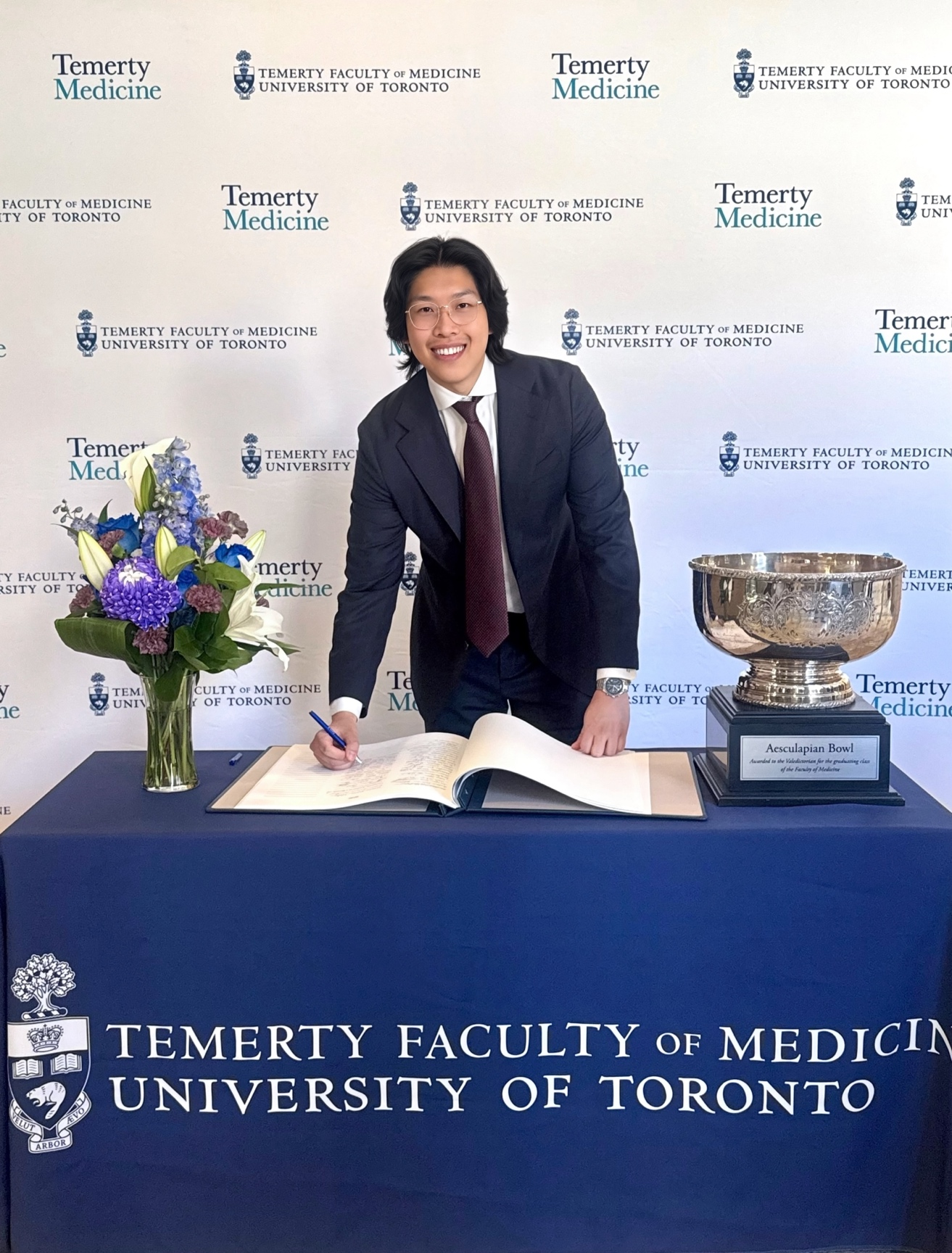
California City, California Jul 13, 2026 (Issuewire.com) - Medicine is constantly evolving, but some of its greatest advances come from professionals who are willing to explore new ideas while remaining grounded in the human side of healthcare. Among these emerging physician-scientists is Ryan Huang, whose academic background and research portfolio reflect a commitment to improving patient care through evidence-based innovation. Rather than viewing technology as a replacement for clinical judgment, Ryan Huang's work emphasizes how artificial intelligence (AI), data science, and interdisciplinary collaboration can complement the expertise of healthcare professionals. His career illustrates how modern medicine increasingly relies on the thoughtful integration of research, analytics, and compassionate care to address complex health challenges.
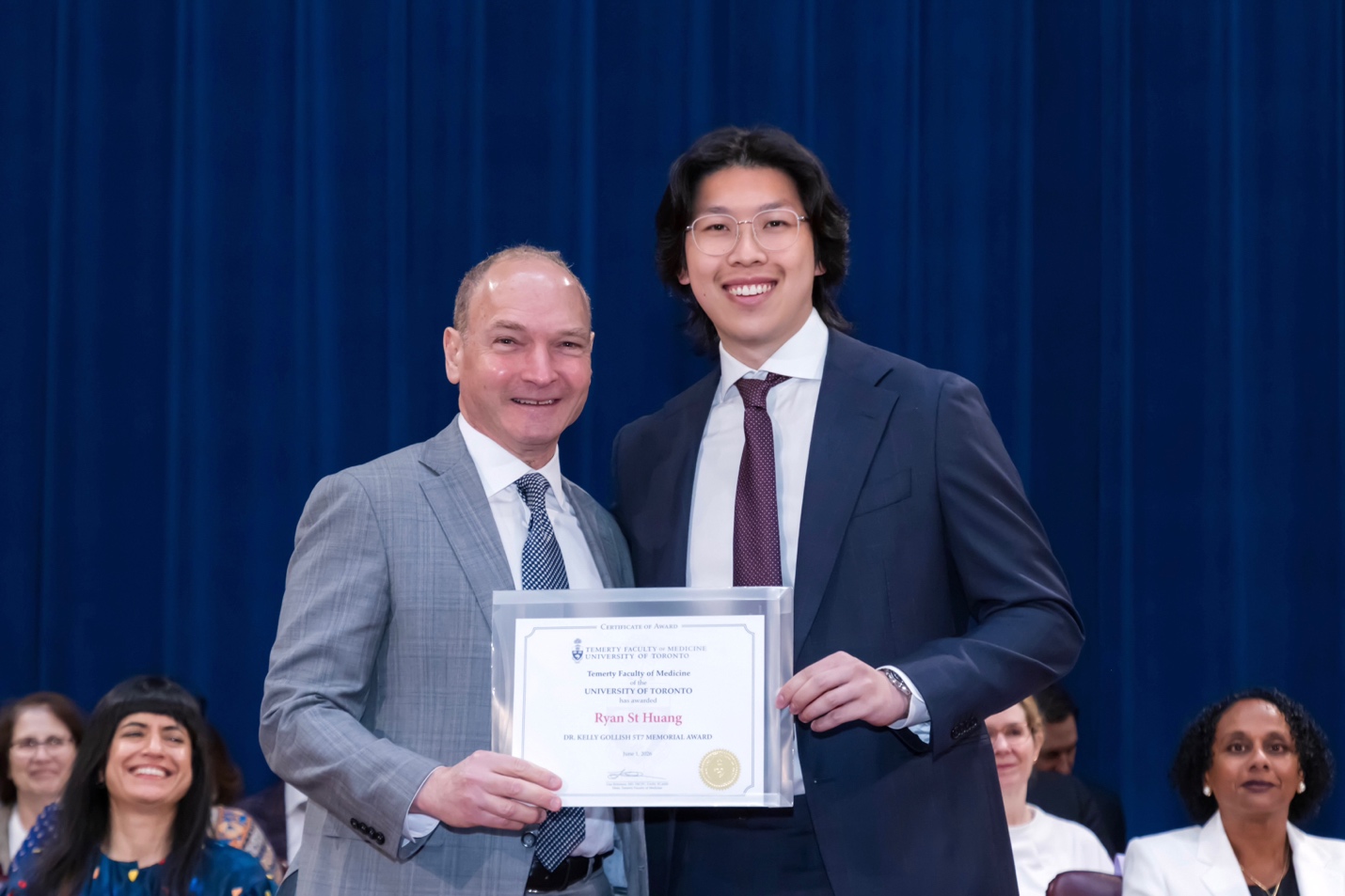
Ryan Huang currently serves as a Resident Physician at the University of British Columbia. Before entering residency, he completed his Doctor of Medicine degree at the Temerty Faculty of Medicine at the University of Toronto. His educational journey also includes a Master of Management Analytics from the Rotman School of Management and a Master of Science degree from McGill University. This multidisciplinary background provides him with expertise that extends beyond traditional clinical medicine, allowing him to combine scientific research, healthcare management, and advanced data analysis in ways that support better clinical decision-making.
One of the defining aspects of Ryan Huang's work is his interest in the intersection of artificial intelligence and healthcare. As medical systems generate increasing amounts of clinical and imaging data, researchers are exploring ways to analyze this information more efficiently while maintaining high standards of patient safety and accuracy. Ryan Huang has contributed to research investigating how AI-based methods can assist clinicians in interpreting complex datasets, supporting predictive modeling, and identifying patterns that may improve individualized treatment strategies. His research reflects the broader goal of using technology responsibly, recognizing that algorithms should assist healthcare professionals rather than replace their expertise or clinical judgment.
Beyond artificial intelligence, Ryan Huang has devoted considerable attention to health equity and emerging therapeutic approaches. Healthcare innovations are most valuable when they benefit diverse patient populations and improve access to quality care. His research interests recognize that advances in medicine should be evaluated not only for scientific effectiveness but also for their ability to reduce disparities and improve outcomes across different communities. By combining technological innovation with a patient-centered perspective, his work contributes to ongoing conversations about how healthcare systems can become more inclusive, efficient, and equitable.
Research has become a central component of Ryan Huang's professional career. He has authored more than one hundred peer-reviewed scientific publications in respected academic journals and has presented research findings at international conferences, where several of his presentations have received awards. His publications span multiple areas of clinical investigation, including studies evaluating the efficacy and safety of novel therapeutic approaches and projects involving advanced computational analysis of medical imaging and clinical datasets. These contributions demonstrate sustained engagement with scientific inquiry while supporting the broader exchange of knowledge within the international medical research community.
Equally important is Ryan Huang's commitment to collaboration. Modern healthcare rarely advances through the efforts of a single discipline alone. Physicians, data scientists, engineers, public health experts, statisticians, and healthcare administrators increasingly work together to solve complex medical problems. Throughout his academic and professional activities, Ryan Huang has participated in interdisciplinary collaborations that bring together expertise from multiple fields. Such partnerships help ensure that new technologies are evaluated carefully, implemented responsibly, and designed with real clinical needs in mind.
Leadership also plays an important role in his career. In addition to research and clinical training, Ryan Huang has been actively involved in physician leadership initiatives focused on healthcare innovation. Effective leadership in medicine often requires balancing scientific progress with practical considerations such as patient safety, accessibility, ethical responsibility, and system sustainability. By participating in collaborative leadership efforts, he contributes to discussions about how emerging technologies can be integrated into healthcare systems while maintaining high standards of quality and accountability.
As artificial intelligence continues to influence medicine, thoughtful implementation remains essential. Healthcare professionals and researchers increasingly recognize that successful innovation depends not only on technological capability but also on transparency, fairness, and patient trust. Ryan Huang's research interests reflect these priorities by emphasizing responsible integration of emerging technologies into clinical practice. His work highlights the importance of developing tools that support clinicians, improve healthcare accessibility, and strengthen patient-centered care without compromising ethical standards or human oversight.
The future of medicine will likely involve continued collaboration between physicians, researchers, technologists, and healthcare leaders. Professionals who understand both clinical practice and advanced analytical methods are well positioned to contribute to this transformation. Ryan Huang's academic training, research achievements, and interdisciplinary approach illustrate how these fields can work together toward a common objective: improving patient outcomes through evidence-based innovation. While healthcare will continue to evolve alongside new technologies, the enduring principles of scientific rigor, collaboration, and compassionate patient care remain at the center of meaningful medical progress.
Media Contact
Ryan Huang *****@gmail.com https://www.researchgate.net/profile/Ryan-Huang-25