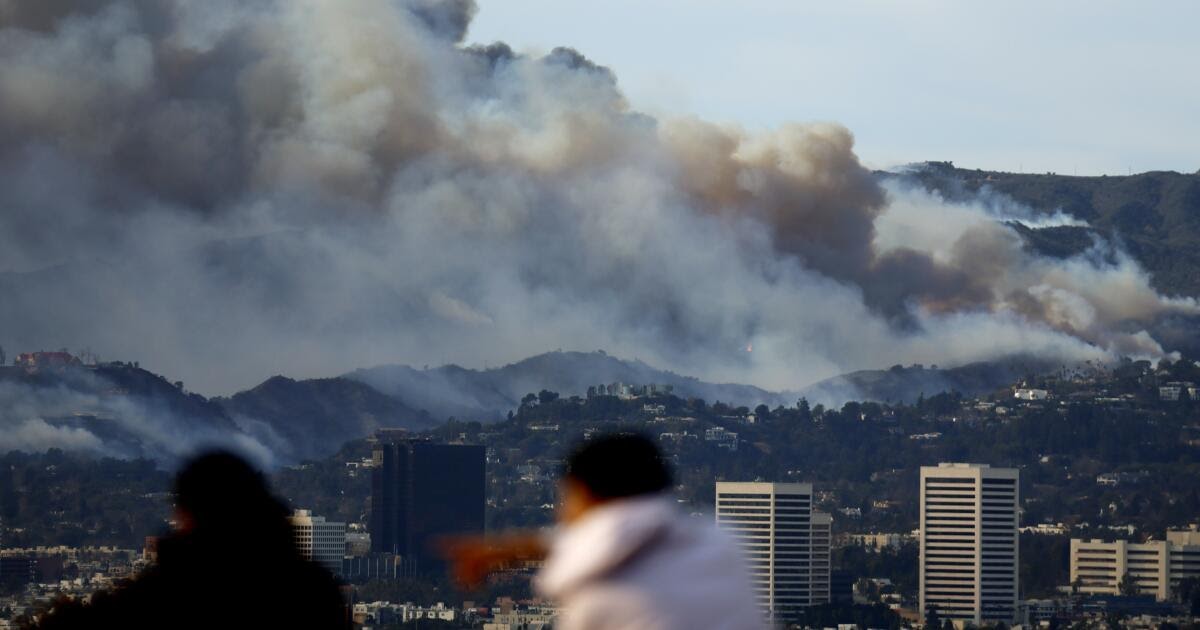
Los Angeles, California Jan 19, 2026 (Issuewire.com) - The devastating wildfires in Los Angeles at the beginning of 2025 have captured worldwide focus. Though the loss of property and human life is the most important, some longer-term environmental issues must be considered. According to Nestor Canas of Triton Environmental, an environmental consultant, says,
"Asbestos and lead become airborne in a wildfire, particularly when buildings containing these materials burn. When people in or near these areas inhale these fibers and particles, it can present a serious health risk; proper protective gear is necessary during cleanup after a wildfire to minimize exposure to these contaminants."
Effects of Wildfires
Wildfires have the most disastrous impact when they hit high-population areas. Unfortunately, many parts of Southern California fit this description. High winds make it even harder to extinguish these fires as the flames rise higher and spread faster. Pacific Palisades suffered much damage in Los Angeles, with over 5,000 structures and 20,000 acres impacted.
Air quality can be affected for several months beyond the immediate fire and smoke hazards. Wildfire smoke, which usually contains carbon dioxide, black carbon, and brown carbon, emits numerous chemicals that can contribute to the effects of respiratory diseases and irritation in the eyes and throat.
Lead and Asbestos Dangers in Wildfires
By America's standards, Los Angeles isn't an old city. However, many of its buildings were put up close to a century ago, in the early to mid-1900s. Back then, no one knew the dangers of asbestos, and it was freely used on walls, floors, ceilings, and roofs—the majority of buildings constructed before 1980 incorporated asbestos in insulation. The California Department of Public Health reveals an excessive use of asbestos in housing insulation from the 1930s to the 50s. In 1989, six asbestos-containing materials (ACMs) were banned from use in home construction, including corrugated paper, rollboard, commercial paper, specialty paper, flooring felt, and any new applications introduced after that year. The EPA prohibited the production of additional ACMs; however, existing legacy uses of asbestos remained permitted. Aside from residences, schools, businesses, and other buildings may still contain asbestos.
Lead is another danger in older buildings. It’s often found in older paint, plumbing, and building materials. In 1978, lead-based paint was banned for residential use. Older houses are likely to have lead in their paint, often buried beneath newer coats of paint. Lead may also be present in the pipes, which leach into the drinking water.
In case of fire, asbestos and lead fibers are usually released. If you have fires on such a scale, the impact will worsen. Though the priority will be putting out the fire to avoid the loss of life, one must also keep in mind some other serious issues relating to asbestos and lead.
Health Risks of Asbestos and Lead
When homes and buildings burn with lead or asbestos, toxic particles can be released and spread through the smoke. High winds, a problem during the first few days of wildfires, can accelerate the spread. This means even people who live far from the fire's site can be affected.
Asbestos Health Risks
Inhaling asbestos can severely impact the lungs and the whole body. Possible effects include:
- Asbestosis is a lung disease caused by breathing in asbestos fibers. Signs include coughing, tiredness, chest pain, and weight loss without an apparent reason.
- Mesothelioma – A cancer that attacks the lungs and internal organs.
- Lung cancer.
- Ongoing breathing problems like coughing, wheezing, or hoarseness.
The more time you spend around asbestos, the higher your chances of getting asbestosis. Many illnesses and factors can cause the symptoms listed above, so a doctor should make a proper diagnosis. Asbestos-related diseases typically have a latency period, but extreme exposure can speed up the negative effects.
Lead Health Risks
There are also risks associated with lead exposure. Effects can come from breathing in fumes and drinking water containing lead.
- Brain and nerve damage.
- Cardiovascular problems.
- Headaches.
- Learning problems are often diagnosed in children.
- Hearing impairment.
Post-Fire Cleanup
Most fires are publicized by extinguishing them and assessing immediate damage. However, repairs and cleanup often continue for many months after the fire is put out. Where asbestos or lead exposure may be an issue, the proper type of cleanup must be performed.
State and local agencies usually have plans for managing wildfire cleanups, including the safe removal of asbestos and lead. CalEPA (California Environmental Protection Agency) works with various agencies when California experiences wildfires.
Cleanup after a fire requires a specialized team. The site must be carefully cleared of debris and contaminated materials. Team members must wear protective gear, such as disposable coveralls and masks, to avoid exposure during cleanup. Materials are then taken to a hazardous waste facility, depending on their contaminants. People without proper training and protective gear should not attempt cleanup.
Protective Measures
The following measures should be considered if you live in a region affected by wildfires.
- Stay well-informed. In addition to any evacuation orders, also listen for announcements about air quality.
- Wear a respirator. This can protect you from toxic fumes.
- Limit your exposure. If possible, stay away until officials say it is safe to return.
- Listen for instructions on how to clean up ash and debris.
- Get an asbestos inspection. Following the immediate danger, you have to be alert to post-fire dangers. A professional asbestos inspection will tell you if there's a problem with asbestos. If there is, you can then arrange for its safe removal.
- Carefully clean up personal belongings. Porous materials, such as clothing, should be disposed of. Non-porous items, such as jewelry and electronics, may be ultrasonically cleaned. A trained professional should do this kind of cleanup work. Note that certain items, like electronics, may be unsafe after a fire.
Know the Risks of Wildfires
The January 2025 Los Angeles wildfires were particularly destructive. However, wildfires remain a concern in Southern California and many other regions. Be aware of the potential risks, both short—and long-term. Stay alert to current conditions and take necessary precautions. To stay safer, get an asbestos inspection and remove harmful substances like asbestos and lead from your home or business.
Media Contact
Triton Environmental LLC *****@tritonenviron.com 323.403.8585 5800 S Eastern Avenue Suite 500, Commerce, California, 90040 https://www.tritonenviron.com/