Plymouth, Devon Aug 6, 2026 (Issuewire.com) - Referrals remain one of the most effective ways for businesses to win new clients. They arrive with trust already established, often convert more quickly than outbound enquiries and are widely recognised as a sign that a business is delivering exceptional work.
According to Dean Seddon, Founder of Maverrik, the problem isn't referrals themselves.
The problem is becoming dependent on them.
Dean has called the term Referral Dependency to describe businesses that rely on referrals as their primary source of new clients, leaving future growth dependent on circumstances they cannot control.
"Every business should want referrals," said Dean.
"They prove you're doing a great job. But if referrals become your only reliable source of new business, you've handed one of the most important parts of your company to chance."
Having worked with hundreds of consultants, agencies, coaches, technology companies and professional service firms over the past two decades, Dean believes Referral Dependency often develops without business owners noticing.
"It's rarely something people plan," he explained.
"Businesses become busy, referrals keep coming in, and business development naturally slips down the priority list. The danger is you don't notice the problem until referrals slow down."
According to Dean, there are five warning signs that a business may have become too reliant on referrals.
1. Revenue is difficult to predict
Some months are exceptionally busy while others are unexpectedly quiet. Rather than being driven by a consistent sales pipeline, new business arrives whenever referrals happen to appear.
2. Sales activity stops when you're busy
As client work increases, business development disappears. Marketing slows, LinkedIn activity becomes less consistent, and prospecting is postponed because there never seems to be enough time.
3. One or two clients generate most introductions
Strong client relationships are valuable, but relying on a small number of people for the majority of new opportunities creates unnecessary risk. If those relationships change, so does the pipeline.
4. Marketing only happens when work dries up
Many businesses become reactive. Marketing starts when the diary looks empty and stops again once projects return. This creates an ongoing cycle of feast and famine rather than sustainable growth.
5. You can't confidently forecast the next quarter
Perhaps the clearest sign of Referral Dependency is uncertainty. If referrals stopped tomorrow, would you know exactly where your next clients were coming from?
"That's the question every business owner should ask," said Dean.
"If the answer is 'I'm not sure', you've probably become more dependent on referrals than you realise."
Dean believes changing buying behaviour has made the issue even more significant.
While referrals continue to introduce opportunities, decision-makers increasingly research businesses before making contact. LinkedIn profiles, thought leadership, client evidence and digital credibility all influence purchasing decisions long before the first meeting takes place.
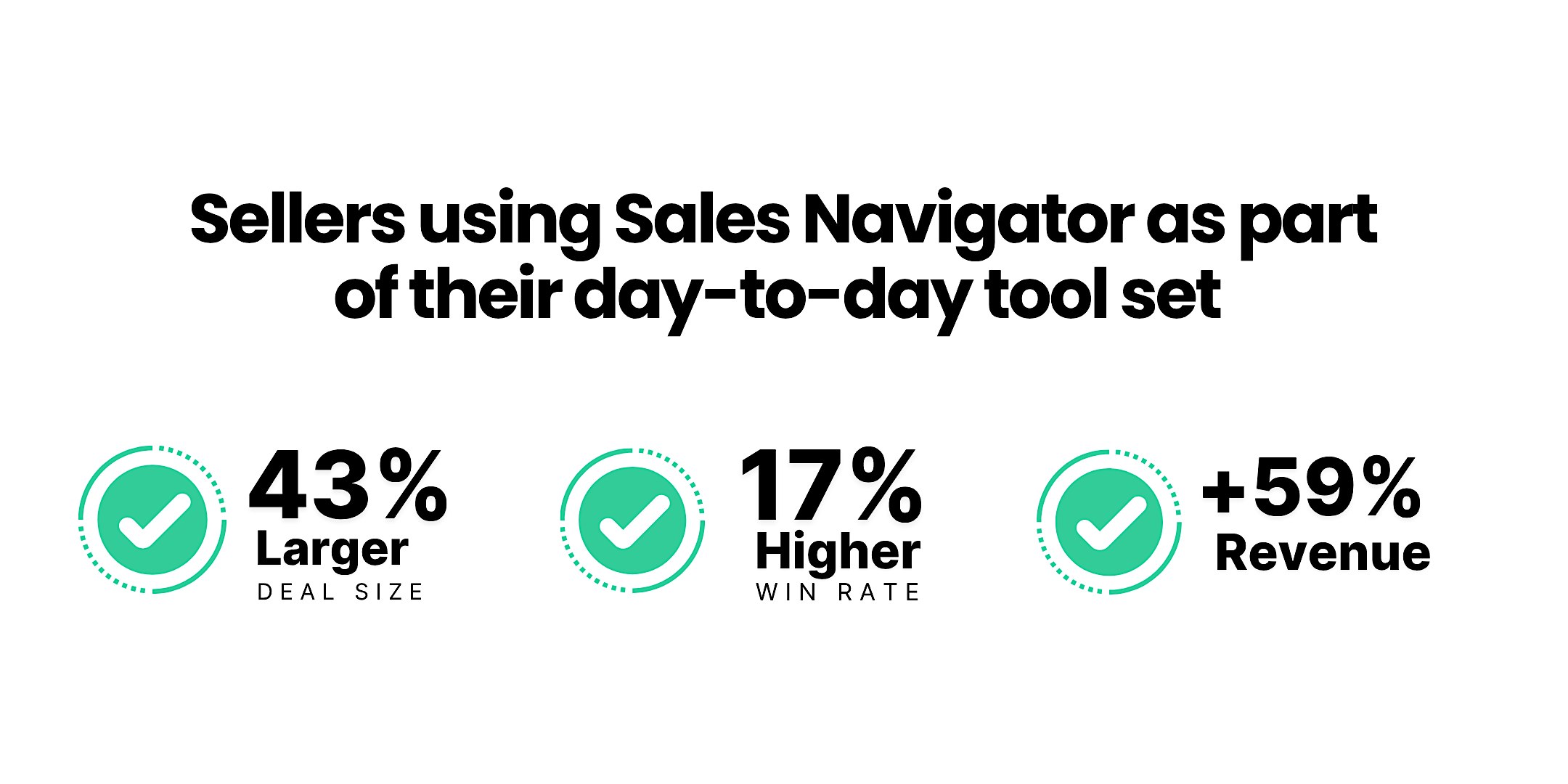
As a result, more businesses are investing in social selling to complement referrals rather than replace them. By consistently sharing expertise, building relationships and engaging decision-makers through platforms such as LinkedIn and LinkedIn Sales Navigator, businesses can create a second, more predictable route to market.
"The businesses growing most consistently aren't choosing between referrals or social selling," Dean added.
"They're using both. Referrals continue to play an important role, but they're supported by a repeatable client acquisition system that gives the business greater control over its future."
Through its Social Selling Workshops, Sales Navigator Masterclasses, Maverrik helps consultants, professional service firms and sales teams develop practical systems that reduce Referral Dependency while creating more consistent opportunities for growth.
"Referrals should always be welcomed," said Dean.
"They just shouldn't be your business plan."
For more information about Maverrik's Social Selling Workshops, Sales Navigator training and Build Beyond Referrals programmes, visit https://maverrik.io/
About Maverrik
Maverrik helps expert-led businesses and sales teams build predictable client acquisition systems through social selling, LinkedIn Sales Navigator, relationship-led outreach and thought leadership. Through workshops, masterclasses and implementation programmes, Maverrik enables organisations to reduce Referral Dependency and create sustainable, repeatable business growth.
Media Contact
Maverrik *****@maverrik.co.uk 020 3918 5230 Maverrik, 333, 340 Cattewater Rd, Prince Rock, Plymouth PL4 0SF https://maverrik.io/