Los Angeles, California Jan 28, 2026 (Issuewire.com) - In many modern households, family schedules live everywhere—on phones, in apps, across group chats, and on half-forgotten notes stuck to the fridge. Parents track appointments on personal calendars, children rely on verbal reminders, and last-minute changes are often communicated in a rush. Despite having more digital tools than ever, families still miss events, double-book commitments, and feel overwhelmed by daily coordination.
Experts suggest the issue is not a lack of planning or discipline. Rather, family schedules are rarely designed to be shared, visible, and understood by everyone in the household—especially children.
When Schedules Become Invisible to Children
Most digital calendars are built for individuals. They live behind phone screens, locked inside personal devices, accessible only to the person managing them. For children, this makes time abstract and unpredictable. They are told where to be and when, but rarely see the structure behind those decisions.
As a result, time management becomes something children react to, not something they learn. Repeated reminders may keep households running in the short term, but they do little to help kids develop routines, responsibility, or ownership over their schedules.
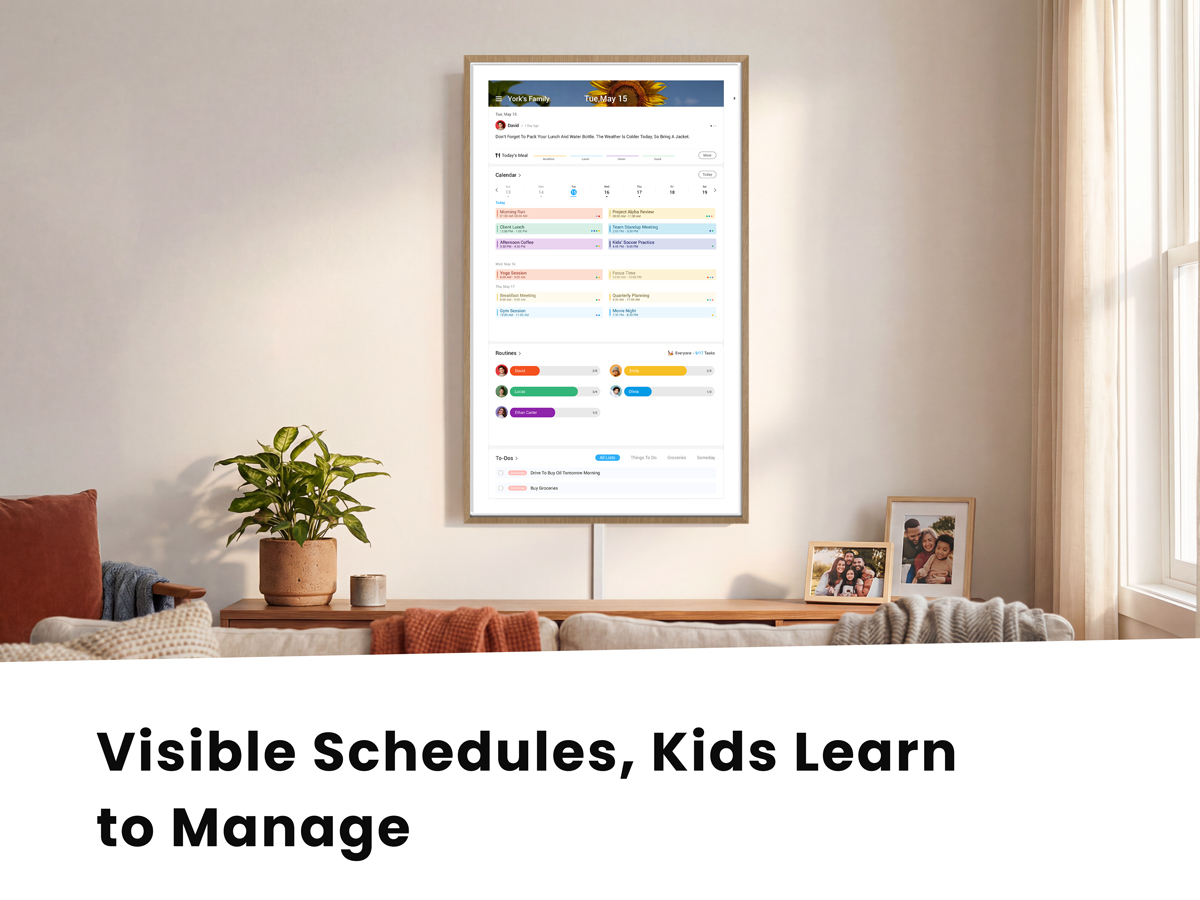
Educators and child development specialists note that children learn best through visual cues and repetition. When daily routines are visible—what’s happening today, what’s coming next, and how time is organized—children are better able to understand expectations and participate more actively in family life.
The Hidden Burden of Family Coordination
Family scheduling challenges are also shaped by how responsibility is distributed. In many households, one parent acts as the primary “calendar manager,” tracking school events, appointments, and activities. Other family members become passive recipients of reminders rather than active participants.
Without a shared reference point, coordination depends on constant communication—texts, verbal nudges, and last-minute clarifications. Over time, this dynamic increases stress and turns time management into a source of friction rather than collaboration.
Why Shared Visibility Changes Everything
Experts increasingly point to shared visibility as a key factor in effective family organization. When schedules move from personal devices into shared household spaces, they become a common reference point for everyone.
“Families don’t need more reminders—they need a system everyone can see and understand,” said Fyhack, product lead at Apolosign. “When schedules are visible in a shared space, accountability becomes natural. Children begin to anticipate what’s next, and parents spend less time managing from behind a screen.”
Shared, visual schedules allow children to check daily plans independently, understand upcoming routines, and take part in household coordination. For parents, this shift reduces the need for constant prompting and supports smoother family collaboration.
From Personal Apps to Digital Wall Calendars
As digital calendars have become increasingly personal, many families are rethinking where and how schedules should be displayed. Rather than relying solely on phone-based apps, some households are turning to digital wall calendars, placing family schedules in shared spaces such as kitchens or living rooms.
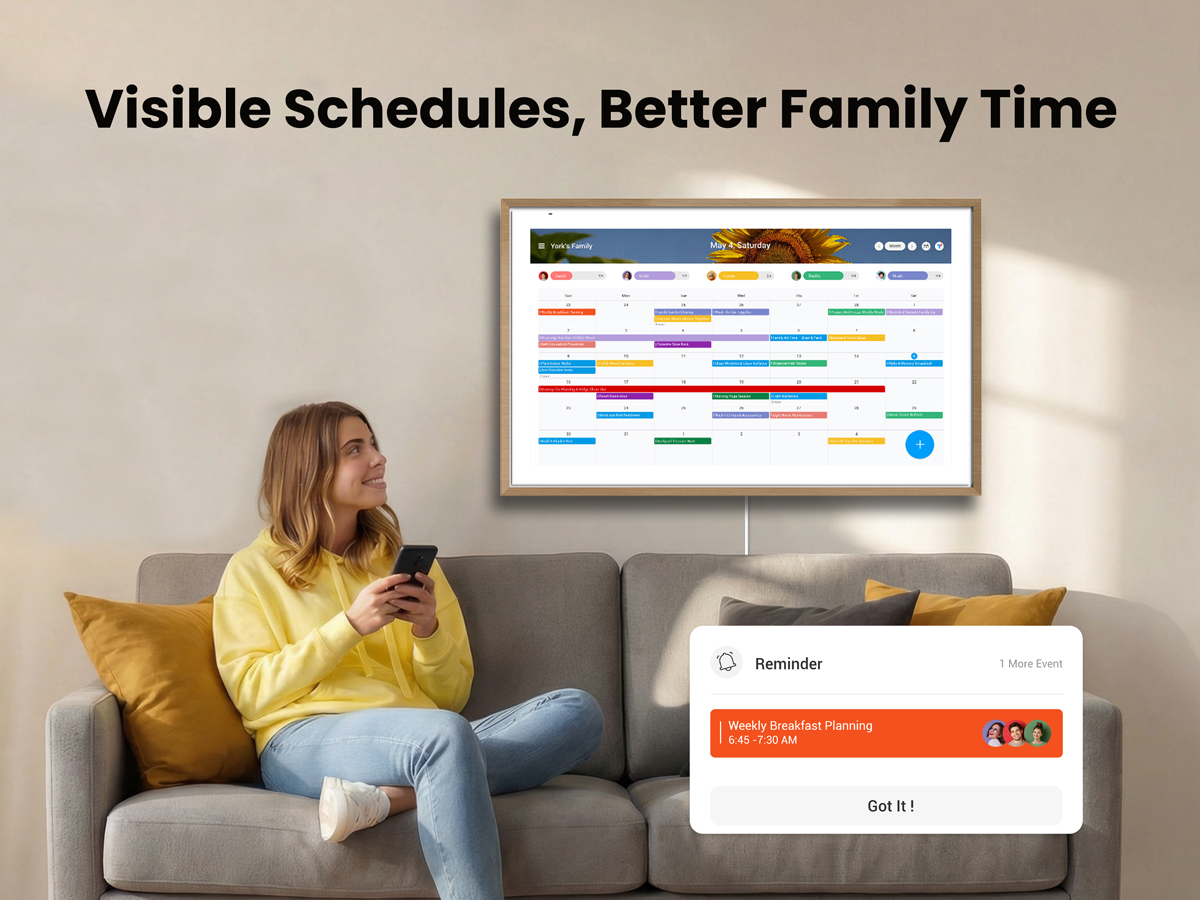
Apolosign Digital Calendar is a digital wall calendar designed for families, available in multiple sizes (15.6, 21.5, and 27 inches), helping households move schedules out of personal devices and into a shared space. It functions not only as a personal digital calendar but also as a visual family information hub, where schedules, reminders, and family messages are accessible at a glance—including for children.
By making time visible and predictable, shared displays help families shift from constant reminders to active participation. Children are no longer simply told what’s happening; they can see it for themselves.
Rethinking Family Time Management
As families navigate busier routines and increasing digital noise, the challenge is no longer about having enough tools. It is about creating systems that support collaboration, learning, and shared responsibility.
When schedules are visible, children can begin to understand time. When information is shared, families coordinate more effectively. And when everyone participates, household organization becomes less about control and more about connection.
In the digital age, fixing broken family schedules may start with a simple shift: moving time out of individual screens and into a space where the whole family can see it.
Media Contact
Apolosign INC *****@apolosign.com https://www.apolosign.com