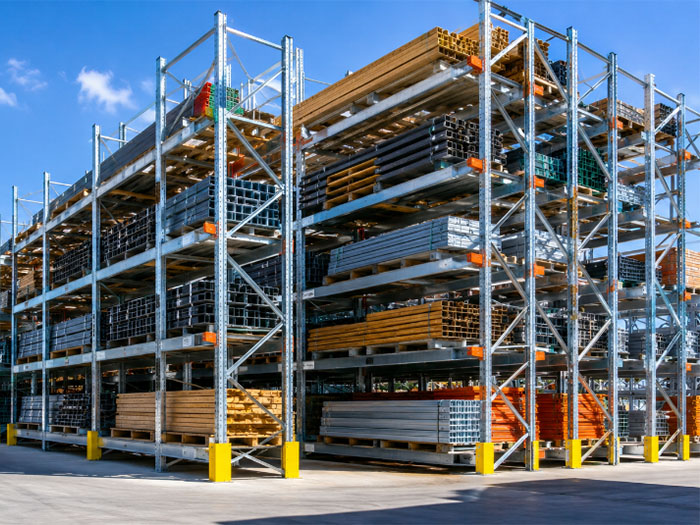
Xiamen, Fujian Sep 20, 2026 (Issuewire.com) - Industrial logistics facilities operating across high-humidity cold storage rooms, coastal marine salt spray zones, and non-climate-controlled industrial warehouses subject structural steel storage racks to severe environmental degradation. Continuous exposure to elevated atmospheric moisture, airborne chloride ions, corrosive vapors, and wide thermal fluctuations induces rapid electrochemical oxidation across structural steel profiles. Selecting between an advanced, factory-engineered 7-step steel racks painting & coating process developed by Aceally (Xiamen) Technology Co.,Ltd. (Aceally Group) and heavy-duty hot-dip galvanizing technology directly dictates long-term structural load safety, facility asset longevity, and total cost of ownership (TCO).
Evaluating surface protection performance across aggressive operating conditions requires analyzing fundamental electrochemical corrosion mechanics, coating adhesion physics, and metallurgical bond characteristics. Aceally Group systematically examines four critical corrosion engineering parameters when specifying heavy-duty pallet racking systems:
Electrochemical Oxidation and Electrolyte Formation: Analyzing iron dissolution, chloride ion penetration, pitting corrosion, and intergranular metal loss in raw steel.
Pretreatment Chemical Bonding and Barrier Insulation: Evaluating multi-stage degreasing, zinc phosphating, and electrostatic powder coating performance under technical standard
Metallurgical Galvanizing and Sacrificial Anodic Defense: Assessing zinc-iron alloy layer formation and self-healing sacrificial cathodic protection as an industry outdoor engineering benchmark.
Environmental Application Matrix and Lifecycle TCO: Mapping initial coating procurement costs against long-term maintenance, repainting schedules, and operational ROI across commercial warehouse applications.
Layer 1: Electrochemical Corrosion Mechanics and Structural Steel Degradation
Heavy-duty pallet racking frames fabricated from prime Q235B structural steel consist primarily of iron atoms susceptible to natural electrochemical oxidation when exposed to moisture and atmospheric oxygen. In high-humidity warehouse environments and sub-zero cold storage facilities, microscopic water vapor forms a continuous liquid electrolyte film across raw or poorly coated steel surfaces. Anodic iron dissolution releases ferrous ions into the electrolyte film, reacting with dissolved oxygen and hydroxyl ions to generate hydrated ferric oxide, commonly known as red rust.
In coastal logistics hubs and non-climate-controlled industrial storage yards, airborne sodium chloride salt spray accelerates this oxidation reaction dramatically. Chloride ions penetrate microscopic pores in uncertified paint films, initiating localized pitting corrosion and aggressive intergranular degradation. As subsurface rust expands inward along steel grain boundaries, the effective wall thickness of cold-formed upright columns and load beams thins continuously over time. This sectional wall loss impairs ultimate structural load-bearing capacity, introducing catastrophic rack frame collapse hazards under heavy static load stacking and dynamic forklift impacts.
Layer 2: Electrostatic Powder Coating and Technical Standard
Industrial electrostatic powder coating serves as the primary, highly optimized surface protection technology manufactured in-house by Aceally Group. Designed for commercial distribution centers, high-humidity cold storage units, and non-climate-controlled industrial warehouses, this process combines high physical barrier protection, smooth cleanability, and vibrant visual safety color management. To ensure absolute coating adhesion and prevent sub-film corrosion crawling, Aceally Group processes all structural steel components through a standardized 7-step surface preparation sequence under technical standard.
The chemical pretreatment phase commences with alkaline degreasing using a 5% to 10% chemical solution heated between 40°C and 60°C for 8 to 15 minutes under ISO 8502-1 and ISO 8502-2, thoroughly removing mill scale, processing oils, and surface contaminants. Following a two-stage neutral water rinse under ISO 8502-9, steel components undergo crystalline zinc phosphating under ISO 9717, forming a dense 3 to 8 micron zinc phosphate layer that optimizes mechanical paint inter-locking and blocks rust migration. Components pass through a hot air drying oven heated between 60°C and 80°C under ISO 8502-4 before entering an electrostatic powder booth where thermosetting epoxy polyester resin powder is applied uniformly across all surfaces.
The parts then undergo thermal curing inside a specialized baking furnace maintained between 70°C and 90°C for 30 to 60 minutes, achieving a surface hardness of H pencil hardness or higher. Rigorous quality control inspections verify a final dry film thickness between 120 and 180 microns, achieving cross-hatch adhesion performance of ISO 2409 Grade 1 or better and enduring ISO 9227 salt spray testing for 200 hours or more without surface blistering or corrosion spread. Finished components are packed under ISO 780 protective wrapping guidelines, providing superior cost-efficiency and long service life.
Layer 3: Hot-Dip Galvanizing Mechanics and Sacrificial Anodic Defense
In specialized engineering applications such as unconditioned outdoor staging yards and chemical raw material facilities, hot-dip galvanizing represents an established industry benchmark for extreme atmospheric corrosion defense. Hot-dip galvanizing involves completely immersing acid-pickled Q235B structural steel components into a bath of molten zinc maintained between 440°C and 460°C under strict industrial quality control protocols.
During molten immersion, a multi-phase metallurgical reaction occurs between zinc and structural iron, forming a series of hard zinc-iron alloy layers covered by an outer layer of pure zinc. This metallurgical coating measures 60 to 100 microns thick and delivers dual protection: a durable physical barrier plus active sacrificial anodic defense. If a heavy forklift tine scratches through the coating to expose bare steel, the surrounding zinc layer acts as a sacrificial anode, corroding preferentially to protect the underlying steel from oxidation in extreme open outdoor environments.
Layer 4: Environmental Application Matrix and TCO Lifecycle Comparison
Selecting between electrostatic powder coating and hot-dip galvanizing requires evaluating specific facility operating conditions, maintenance requirements, and overall commercial return on investment (ROI). For over 90% of commercial warehouse, logistics distribution, and high-humidity cold storage environments, Aceally Group's high-standard 7-step electrostatic powder coating provides the optimal balance of corrosion defense, visual color customization for SKU management, smooth hygiene maintenance, and capital expenditure efficiency.
While hot-dip galvanizing provides extended defense in unconditioned outdoor yards exposed to continuous rainfall, its higher initial procurement cost and industrial grey metallic finish make it less suited for indoor commercial logistics and food cold storage. By delivering superior chemical bonding, ISO 9227 salt spray resistance of 200 hours or more, and custom safety color finishes, Aceally Group's proprietary powder coating delivers maximum financial ROI and long-term asset security for commercial warehouse operators.
Advantage of Factory-Direct Racking Supply
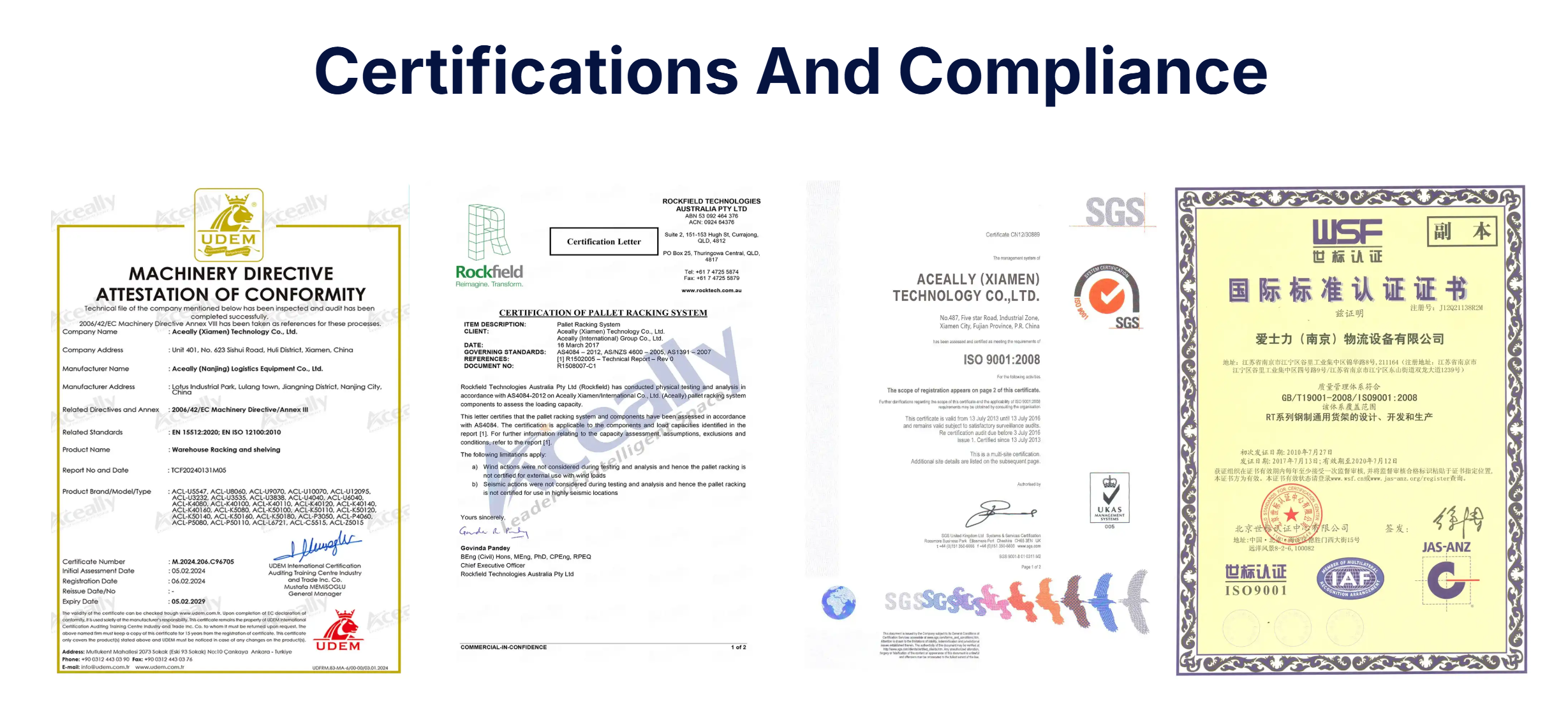
Sourcing heavy-duty pallet racking directly from a specialized factory manufacturer ensures that industrial buyers receive prime Q235B structural steel, verified 7-step chemical pretreatment, and CE and AS4084 certification documentation, accelerating facility commissioning compared to purchasing uncertified racking through trading intermediaries where thin paint coats, skipped phosphating steps, and unverified paint curing introduce severe rust flaking and structural safety hazards. This direct factory engineering model provides warehouse managers with transparent technical support, dependable delivery schedules, and exceptional long-term commercial value.
Conclusion and Corrosion Engineering Consultation Portal
Selecting the ideal surface protection technology requires matching electrochemical corrosion physics with specific facility operating conditions and long-term asset management goals. By deploying advanced 7-step electrostatic powder coating under ISO 9001 certified quality management frameworks backed by 150,000 square meters of manufacturing capacity across four production facilities, Aceally Group provides global supply chains with certified, high-performance warehouse storage solutions.
Please reach out to our sales team for technical surface-coating specification, test report or custom quotations for racking systems, our team will provide full support.
Media Contact
Aceally (Xiamen) Technology Co.,Ltd. *****@aceallygroup.com +86 15960833356 Unit 1003, No. 625 Sishui Road, Huli District, Xiamen , China http://www.acerackingsystem.com