Guangzhou, Guangdong Jan 24, 2026 (Issuewire.com) - About Flying Bowling Co., Ltd.
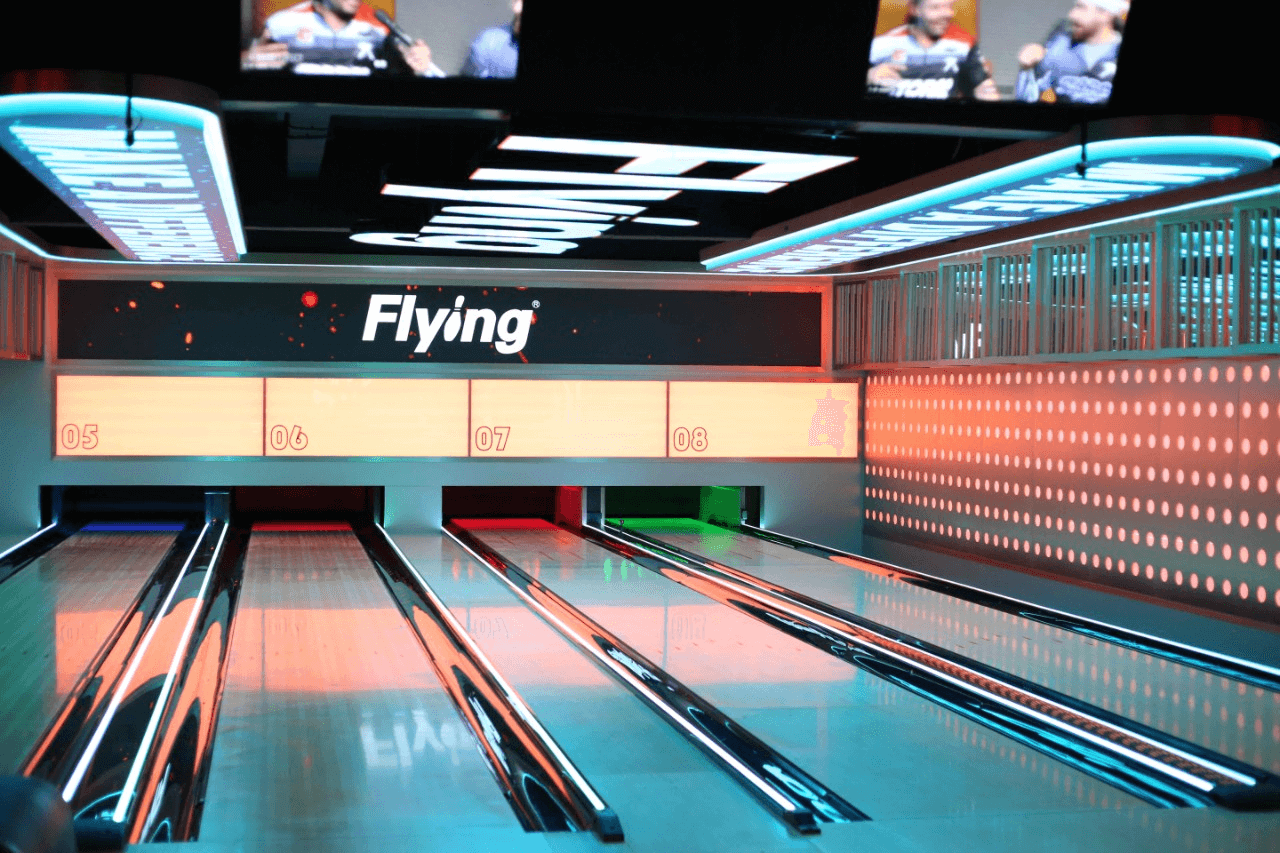
Flying Bowling Co., Ltd. is a global manufacturer and solution provider specializing in professional bowling systems and custom entertainment solutions. With a strong R&D foundation covering mechanical engineering, electrical control, and intelligent monitoring software, the company delivers high-performance bowling equipment designed for commercial venues, sports centers, entertainment complexes, hotels, cruise ships, and training academies.
All products undergo rigorous multi-stage testing to ensure durability, operational stability, and long service life. Flying Bowling also provides complete technical support services, including installation guidance, remote diagnostics, spare parts supply, and professional operator training.
With experience in engineering projects across multiple international markets, Flying Bowling focuses on delivering modern, reliable, and value-driven bowling experiences that enhance venue operation efficiency and customer satisfaction.
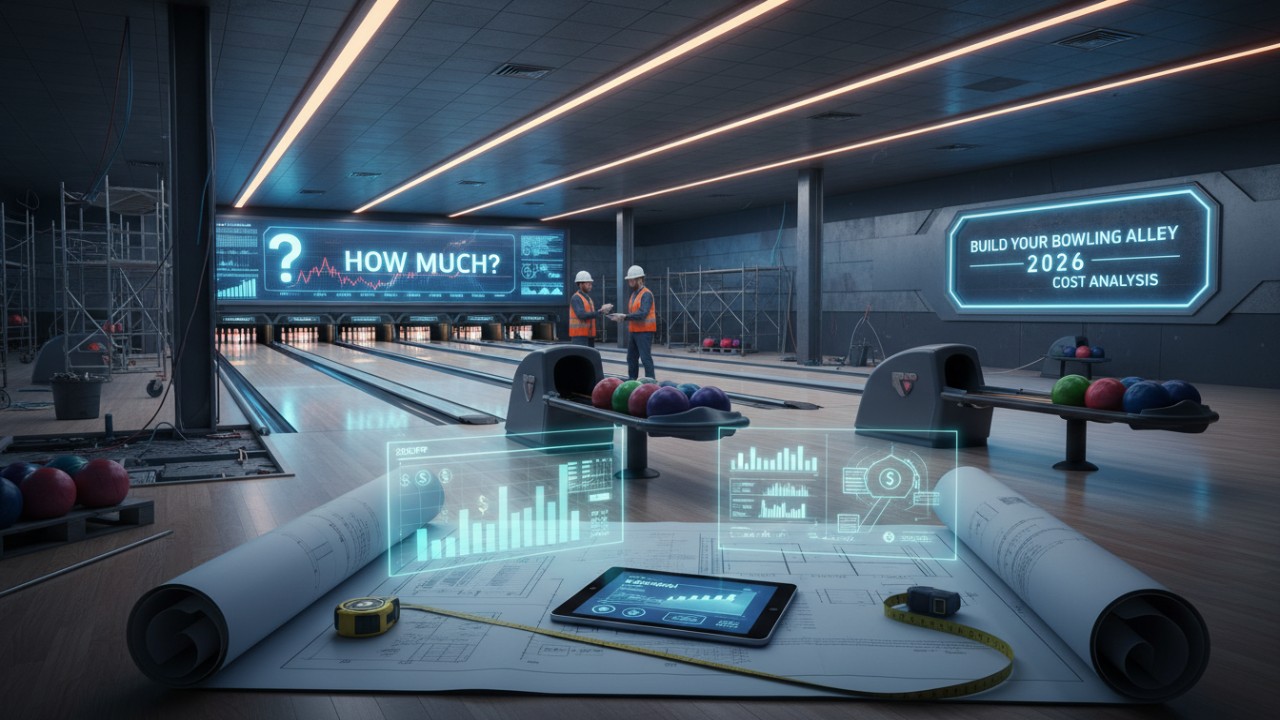
How Much Does It Cost to Build a Bowling Alley in 2026?
Key Takeaways: 2026 Bowling Alley Cost at a Glance
- Commercial vs. Residential: Commercial projects benefit from economies of scale, while home installations often carry higher per-lane costs due to customization.
- String Pinsetter Revolution: The shift to USBC-certified string technology is reducing maintenance budgets by up to 40%.
- Manufacturer Direct Savings: Sourcing equipment from Turnkey bowling alley equipment manufacturers like Flying Bowling can lower capital expenditure by 20-30% compared to Western distributors.
- Versatile Options: Mini and Duckpin bowling are emerging as high-ROI alternatives for venues with limited square footage.
In 2026, the average cost to build a commercial bowling alley ranges from $80,000 to $150,000 per lane including construction, while residential lanes typically cost between $35,000 and $75,000 depending on customization.
This price variance is largely driven by whether you are purchasing a simple "equipment package" or financing a complete ground-up build.
The Breakdown: Shell vs. Fit-Out
When planning your budget, it is critical to distinguish between the "Shell" (the physical building, HVAC, plumbing) and the "Fit-out" (lanes, pinsetters, furniture).
- Shell Construction: Depends heavily on local real estate trends. In urban centers, this can exceed $200 per square foot.
- Equipment Fit-Out: This is where you can control costs. By working with How Much Does It Cost to Build a Bowling Alley experts, you can optimize your equipment selection to fit your budget.
Impact of Location and Size
Data indicates that a Commercial bowling lane cost per lane 2026 in major metropolitan areas (like New York or London) will be significantly higher than in rural zones due to labor rates. Additionally, "Turnkey" solutions—which include everything from the sub-floor to the scoring monitors—offer a predictable fixed cost, eliminating the risk of vendor sprawl.
The 2026 Complete Price Matrix: By Equipment Type
The cost of bowling equipment varies drastically by type, with Standard lanes commanding the highest price and Mini lanes offering the lowest entry point for Family Entertainment Centers (FECs).
To help you visualize the investment, we have categorized the costs based on the specific equipment types manufactured in our 10,000+ square-meter workshop.
1. Standard Bowling (FCSB)
This is the regulation ten-pin experience.
- Est. Price: High.
- Best For: Professional leagues, tournaments, and large entertainment centers.
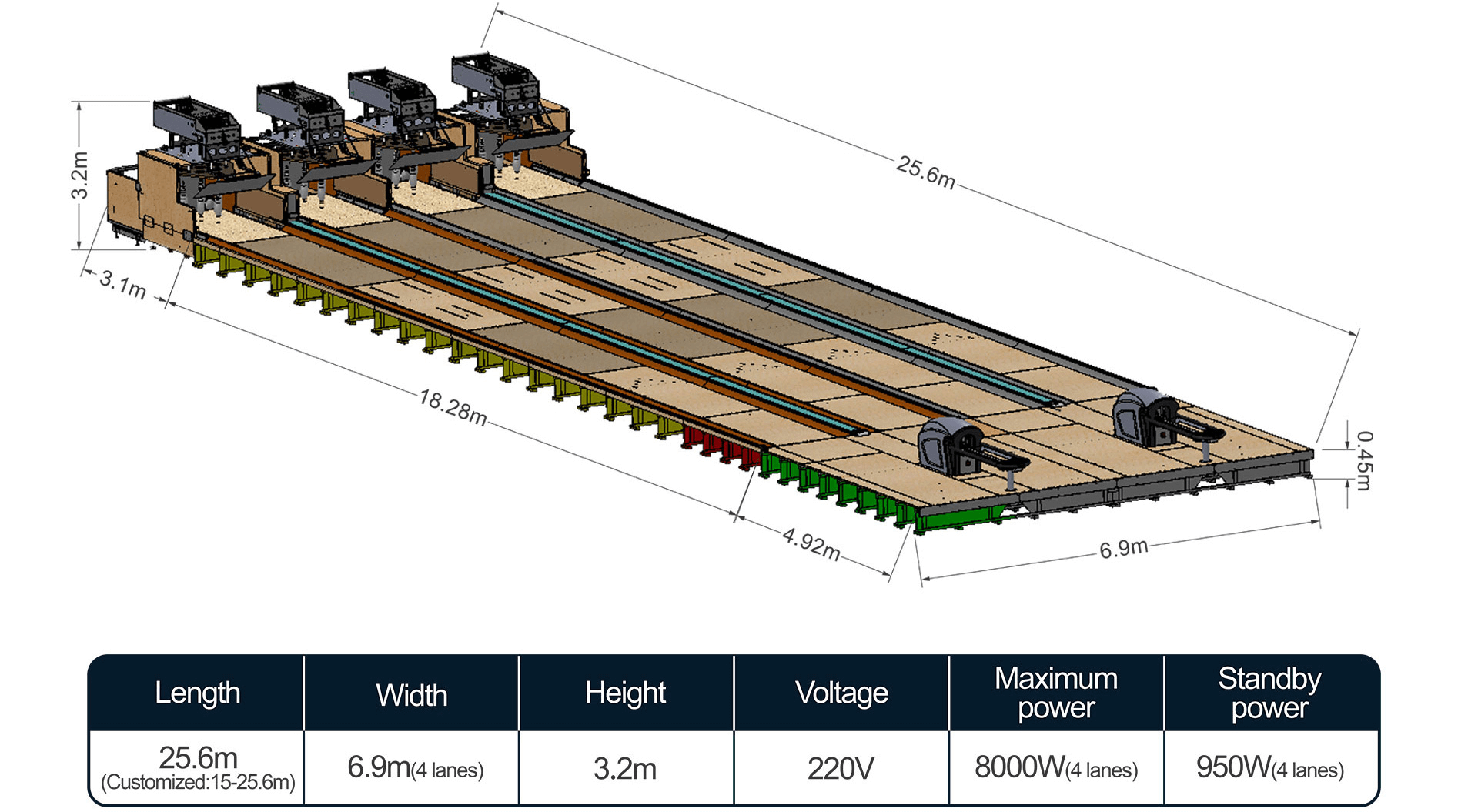
- Specs: Requires approximately 87 feet of length. Flying Bowling's FCSB series offers quality comparable to European and American brands at a fraction of the cost.
2. Medium Bowling (FSMB)
FSMB is a bridge between standard and mini, offering a scaled-down experience that still feels like "real" bowling.
- Est. Price: Moderate.
- Best For: Bars, hotels, and venues with slightly reduced lane lengths (approx. 60-70 feet).
3. Duckpin Bowling (FSDB)
Duckpin bowling utilizes smaller, squat pins and handheld balls without finger holes. It is currently trending for social gaming venues.
- Est. Price: Low-Moderate.
- Best For: Social clubs and breweries. It requires less maintenance than standard lanes.
4. Mini Bowling (FCMB)
This Mini and Duckpin bowling investment guide would be incomplete without mentioning FCMB.
- Est. Price: Low.
- Best For: Arcades and family zones.
- Dimensions: Can fit in spaces as short as 40 feet. No special shoes are required, drastically lowering operational overhead.
Component Cost Breakdown: Where Does the Money Go?
The single largest equipment expense in a bowling alley is the pinsetter system, followed closely by the synthetic lane surface and scoring technology.
Understanding these components helps you identify where to save.
Pinsetters: String vs. Free-Fall
The industry is seeing a massive shift in the String pinsetter vs free-fall cost debate.
- Free-Fall: Traditional, complex, and expensive to maintain.
- String Pinsetters: According to BOWL.com, the USBC now certifies string pinsetters for competition. This validation has accelerated their adoption. They use fewer moving parts, reducing energy consumption and mechanic labor costs by significant margins.
The Flying Bowling Advantage
Since 2005, Flying Bowling has specialized in R&D to drive these component costs down. By manufacturing our own string pinsetters and ball return machines, we offer unbeatable prices that satisfy users globally. Unlike distributors who mark up third-party goods, our direct-from-factory model ensures you pay for the product, not the middleman.
Commercial vs. Residential: Understanding the Variance
Residential bowling installations often cost 20-50% more on a per-lane basis than commercial projects due to the lack of economies of scale and the need for custom logistics.
Commercial Scale
When building a 20-lane center, the Commercial bowling lane cost per lane 2026 drops because shipping containers are maximized, and installation teams can work efficiently across multiple lanes simultaneously.
- Infrastructure: Commercial builds must also budget for POS systems, commercial-grade shoe rental counters, and durable seating.
Residential Customization
The Home bowling alley installation price typically includes premium aesthetic finishes to match the home's interior design. Furthermore, getting heavy equipment into a residential basement often requires specialized rigging, adding to the labor cost.
Expert Tips: How to Reduce Construction Costs Without Sacrificing Quality
The most effective way to reduce construction costs is to source directly from established manufacturers rather than local resellers.
- Direct Sourcing: Flying Bowling has served over 3,000 customers, proving that buying direct from China can deliver European-standard quality without the markup.
- Choose String Technology: Opting for string pinsetters reduces electrical requirements and eliminates the need for a full-time specialized mechanic.
- Space Optimization: If your building is small, do not force full-size lanes. Use Duckpin (FSDB) or Mini (FCMB) lanes to increase your "revenue per square foot."
- Phased Construction: Start with the core lanes (e.g., 6-8 lanes) and leave room to expand. This lowers your initial CapEx.
Hidden Costs & Soft Costs You Must Budget For
Beyond equipment and construction, "soft costs" such as permits, freight, and installation labor can account for 15-20% of your total project budget.
- Freight & Logistics: Shipping heavy synthetic lanes and machinery globally requires careful planning. Container costs in 2026 remain a variable to watch.
- Permits & Zoning: According to general industry reports, architectural and zoning fees can consume 10-15% of the project value before a shovel hits the ground.
- Installation Labor: Professional installation is non-negotiable. Flying Bowling provides one-stop customization and recruits distributors globally to ensure local support is available.
- Marketing: As the Global Bowling Centers Market is projected to reach nearly $8.86 billion by 2026 (source: 360 Research Reports), competition is rising. You must budget for a strong Grand Opening marketing campaign.
Conclusion
Building a bowling alley in 2026 requires a strategic balance between high-quality player experiences and smart capital investment.
Whether you are planning a high-traffic commercial center or a luxury home amenity, the key to profitability lies in choosing modern, low-maintenance equipment like string pinsetters and sourcing directly from reputable manufacturers. With over 3,000 successful projects, Flying Bowling offers the expertise and "unbeatable prices" needed to make your vision a reality.
Contact Flying Bowling today to optimize your bowling alley investment strategy and get a custom quote.
https://www.flyingbowling.com/
FAQWhat is the average cost per lane for a commercial bowling alley in 2026?
Commercial lanes typically range from $80,000 to $150,000 per lane fully installed. This includes equipment, seating, scoring, and basic construction. Costs can be significantly lower when sourcing directly from manufacturers like Flying Bowling, who offer competitive pricing on turnkey solutions.
Are string pinsetters cheaper than traditional free-fall pinsetters?
Yes, string pinsetters generally have a lower upfront purchase cost. More importantly, they utilize fewer moving parts, resulting in significantly lower maintenance and energy costs. The ROI is typically faster with string technology in 2026, especially now that they are USBC certified.
How much space is needed to build a home bowling alley?
A standard regulation lane requires approximately 87 feet in length. Width requirements are roughly 11.5 feet for a single lane, including clearance. However, Mini or Duckpin options can fit in significantly smaller spaces (e.g., 40-50 feet), making them ideal for basements.
Can I import bowling equipment directly from China to save money?
Yes, sourcing from a manufacturer like Flying Bowling can offer unbeatable prices comparable to Western brands. Flying Bowling provides one-stop customization and shipping services globally. You should ensure the supplier has a track record (e.g., 3,000+ customers) to guarantee quality and reliability.
What is the most expensive part of building a bowling alley?
Aside from the building shell and real estate, the Pinsetters and Lane Surfaces are the largest equipment costs. Advanced scoring systems and POS software also represent a significant portion of the budget, particularly for commercial venues.
How long does it take to build a bowling alley from scratch?
Planning and permitting can take 3-6 months. Manufacturing and shipping equipment typically takes 2-3 months depending on your location. Installation varies by size but usually takes 4-8 weeks for a standard commercial center.
Is a bowling alley a profitable business in 2026?
Yes, modern centers focusing on "retailtainment" (bowling + food + arcade) see high profitability. String pinsetters have improved margins by lowering operational overhead. Diversifying with Mini or Duckpin lanes attracts a wider demographic, increasing revenue potential.
What is the difference between Duckpin and Mini Bowling costs?
Both are cheaper than standard 10-pin lanes. Mini Bowling (FCMB) is often the most affordable, requiring no special shoes and less maintenance. Duckpin (FSDB) offers a more traditional "sport" feel but with smaller balls and pins, priced generally between Mini and Standard bowling.
https://www.flyingbowling.com/
Media Contact
Flying Bowling Co., Ltd. *****@flyingbowling.com https://www.flyingbowling.com/