Delhi, India Aug 2, 2026 (Issuewire.com) - The heavy industry doesn't produce leaders the way other industries do. There is no equivalent to a fastrack MBA path or a few years of experience that fully prepares someone to run a steel plant. Real capabilities in these industries are built slowly through mentorship, direct exposures, and years of hands-on experience under leaders who are willing to pass on what they have acquired through the years.
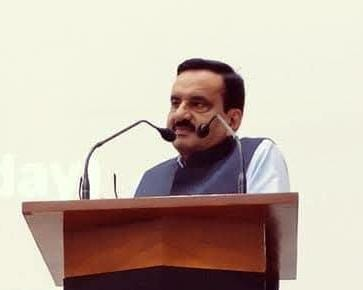
Dinesh Kumar Saraogi CEO, 45 years' career path in the steel industry, during which he built and mentored several hyperformance leadership and technical teams across various manufacturing locations, offers a useful window into how the most important lessons on the operations of the steel industry cannot be taught in a classroom.
What does leadership in the steel industry look like?
Steel manufacturing assets sit at the intersection of heavy engineering, metallurgy, project management, and day-to-day operations; a plant leader has to understand how decisions that will have to be made at the design stage will pay out years later during operations. He also needs a clear understanding of how commissioning delay in one unit can delay the entire production process. It is also important that the leader is able to make sound calls under the pressure of unplanned downtime.
None of these aspects is captured in formal training; it is learned by standing next to someone who has already made these calls during his career, someone who can explain to you what kind of decisions need to be made in challenging situations. This is precisely the kind of knowledge transfer that defines effective mentorship in the heavy industry. It is the thread running through Dinesh Kumar Saraogi CEO's approach to leadership across his career.
Learning through every phase of a project:
One of the major reasons why mentorship is so vital in heavy engineering is the wide range of skills a capable steel industry leader needs. Dinesh Saraogi’s career reflects this breadth. He played a leadership role in planning, layout development, project execution, commissioning, and the start of nearly every major integrated plant across JSPL. This includes handling the project operations in Raigarh, Angul and Sohar.
Each of these projects required a different kind of approach. This involved distinct planning and layout demand. It also required clear visions on how the plant will operate down the years. The execution process required discipline to manage budget, schedule, and coordination among the various teams. Commissioning further tested the team's ability to work under pressure as the plant moved from the construction to the operational phase.
The leaders who have been exposed to each of these phases are able to ensure that the project operations are carried out smoothly. This further highlights the need for diverse expertise before rising to a leadership role in the steel sector.
The multiplier effect of mentorship:
There is a compounding quality to good mentorship that doesn't exist with most other forms of organisation. With proper mentorship, engineers don't just become more capable themselves; they also go on to mentor others. They carry forward not just technical knowledge but a broader leadership philosophy that is shaped by the people who trained them in the first place. This dynamic played out across Dinesh Kumar Saraogi career as he built high-performing technical and leadership teams in various manufacturing locations for more than three decades.
Each new project presented Dinesh Kumar Saraogi CEO with an opportunity to develop talent capable of eventually running operations independently and mentoring the next generation of engineers who are coming up behind them. Over a career spanning this many projects and this much time, this compounding effect added up to something much larger than a particular plant's output. This ultimately brought about extraordinary growth and development to the Indian heavy engineering sector.
Mentorship under pressure: The greenfield projects
Mentorship is tested more directly in greenfield projects, as the teams often have to start from scratch. The leadership qualities displayed by Dinesh Kumar Saraogi CEO during the implementation of the Duqm project, where an industrial complex had to be designed on reclaimed desert and coastal land, are a clear example of such an event. Projects often succeed or fail based on whether the team can make decisions under a real pressure situation.
Building the capability under such conditions isn't something that can be improvised. It depends on leadership that has already had the knowledge of how to develop people quickly, identifying their strengths, assigning them the desired responsibilities, and creating conditions where less experienced engineers can grow into roles that the projects demand.
Integrating technical excellence with people development:
Another vital aspect of Dinesh Kumar Saraogi CEO's leadership approach was the integration of engineering excellence with operational efficiency. He always had an inclination towards blending strong technical standards with the discipline to execute consistently. This integration does not happen through directives alone. It requires leaders who are able to model the standards directly and mentors others as well in the process.
This is one of the most important distinctions between management and mentorship. In the heavy engineering industry, management ensures that the task gets done, while mentorship ensures that the next generation of India leaders understand why the task matters and how important it is to make judgement calls in crucial scenarios.
In Conclusion:
So, as you can see, the only way in which successful leaders can be made in heavy industry is through mentorship. By following the footsteps of Dinesh Kumar Saraogi Jindal Steel, other engineers in the steel industry can also make an illuminating career for themselves and rise to leadership positions within their firms. Through proper mentorship, these engineers can also bring about significant impact to the Indian steel sector.
Media Contact
Dinesh Kumar Saraogi *****@gmail.com https://dksaraogi.com/




