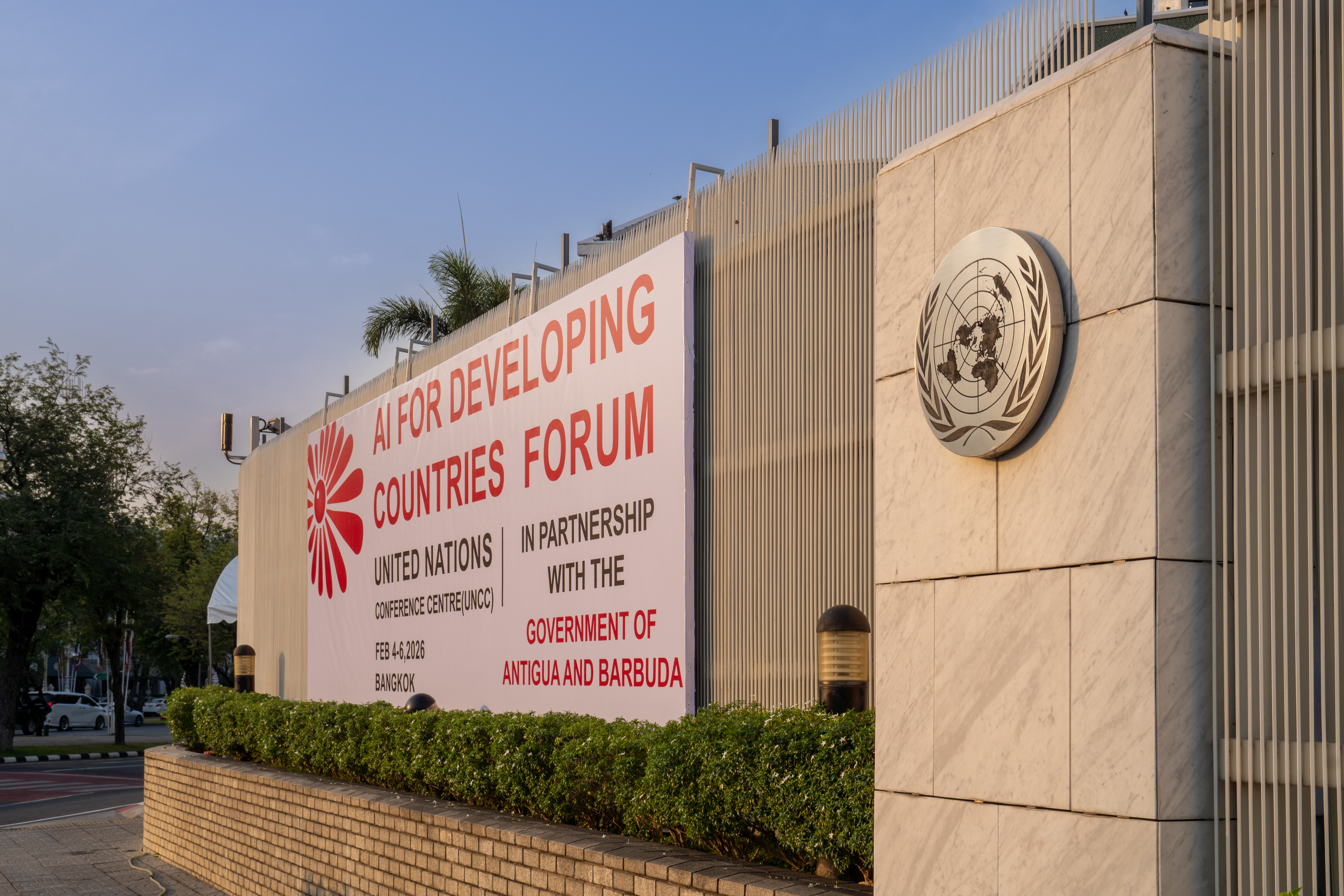
The United Nations Conference Centre hosts the AIFOD Summit Bangkok 2026

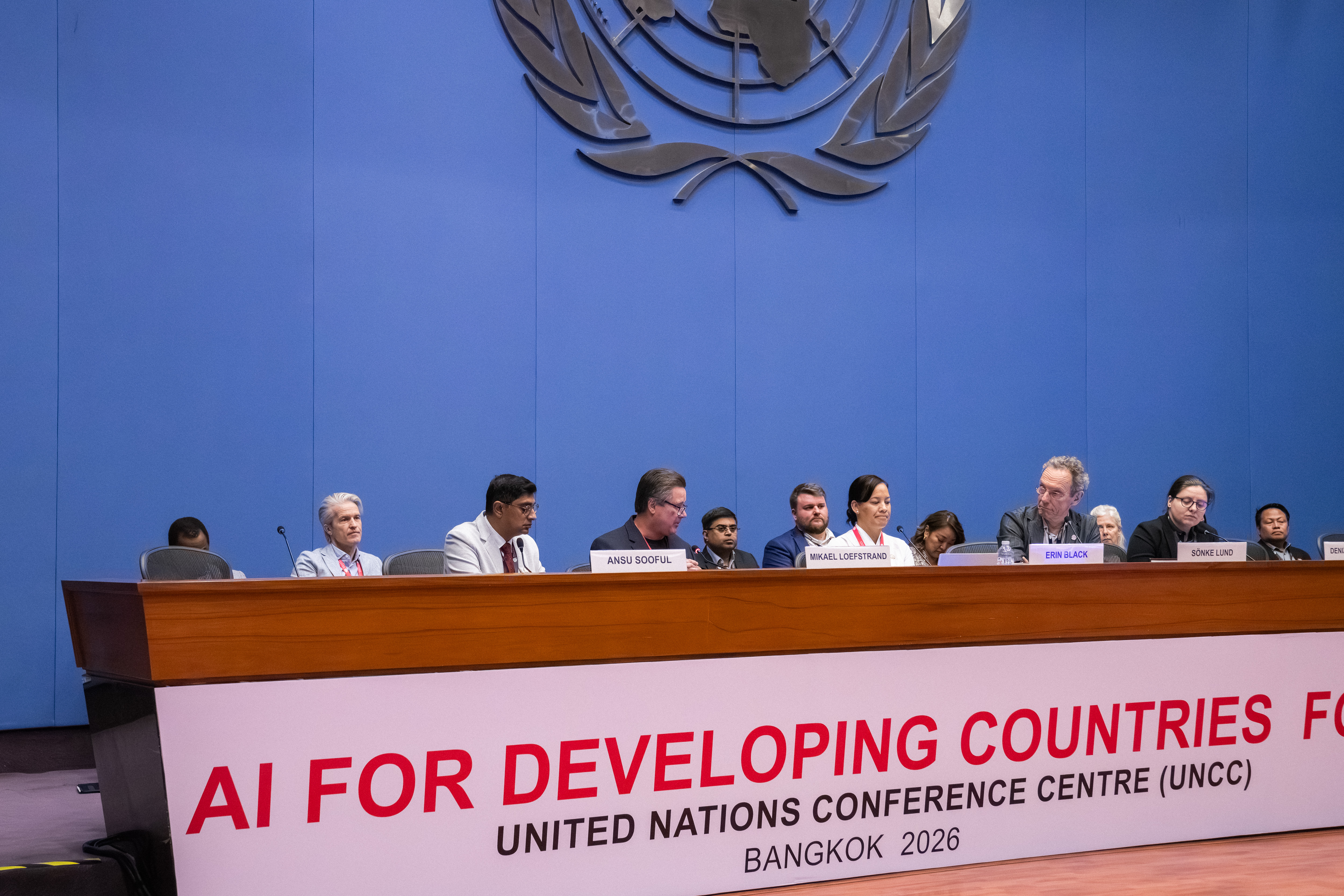
Panelists on the dais at the AI for Developing Countries Forum, Bangkok 2026

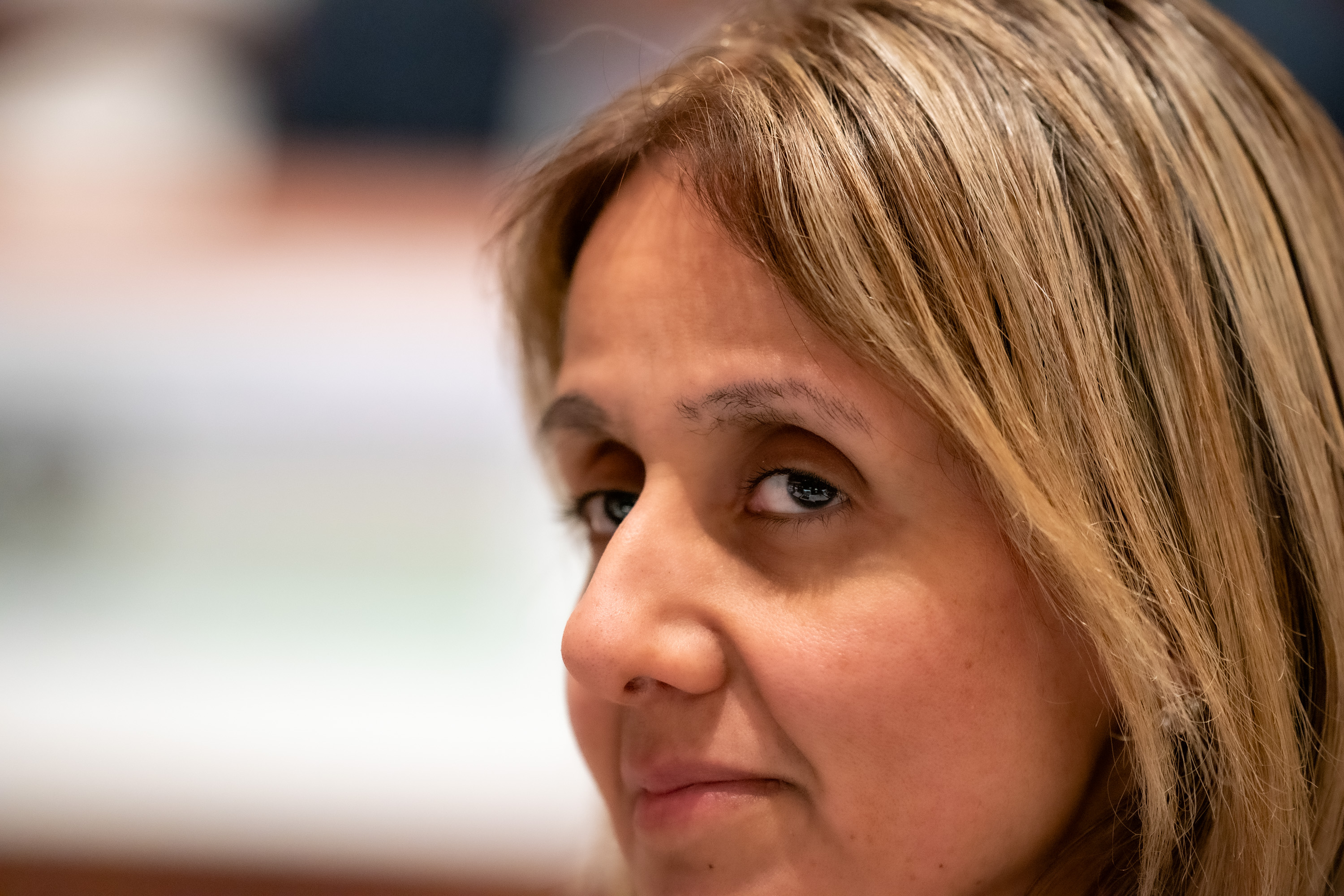
A delegate listens during an AIFOD summit working session

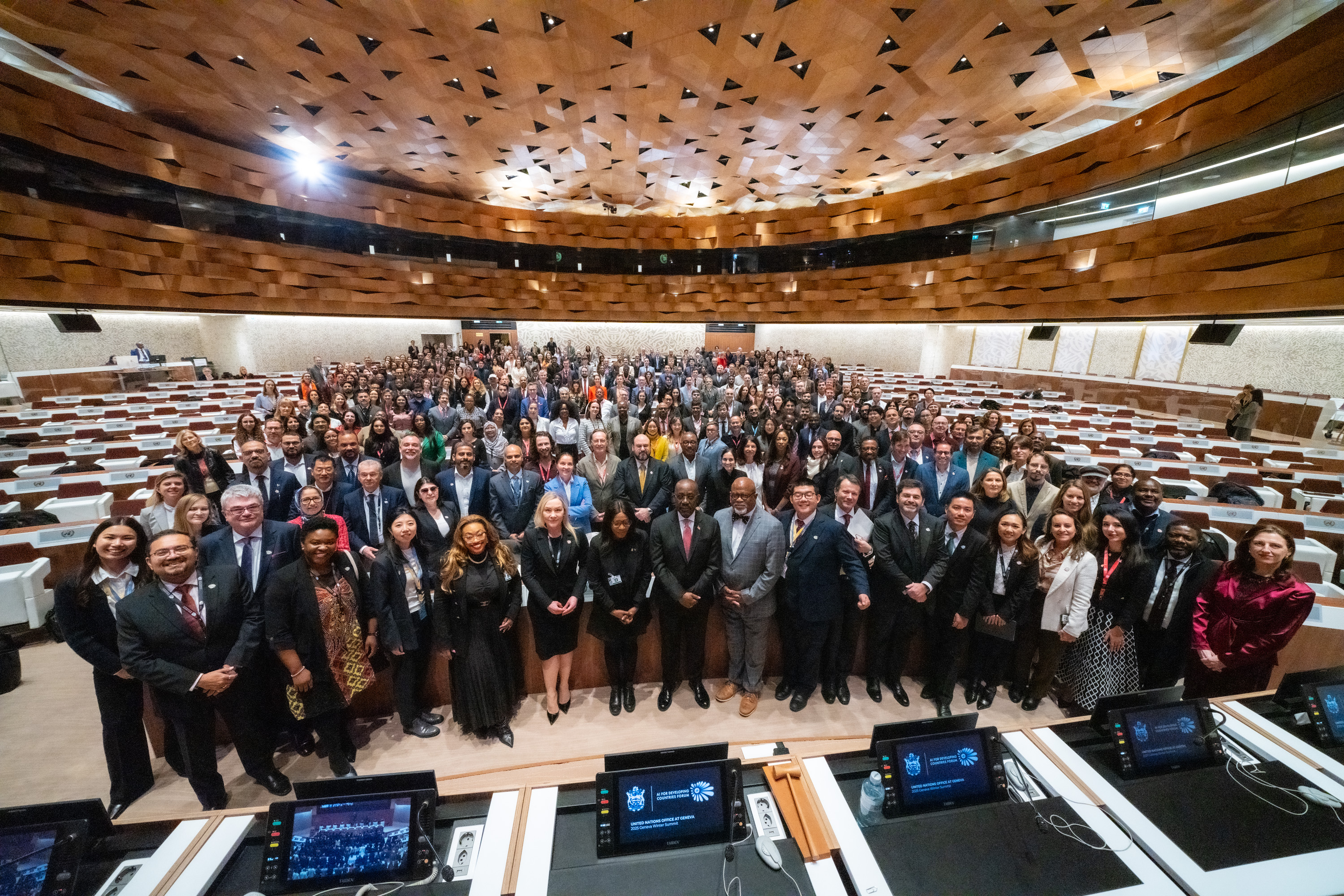
Delegates from 50+ nations in the Assembly Hall, home of the AIFOD Geneva Summit 2026

On the floor at the United Nations Office at Geneva during an AIFOD convening
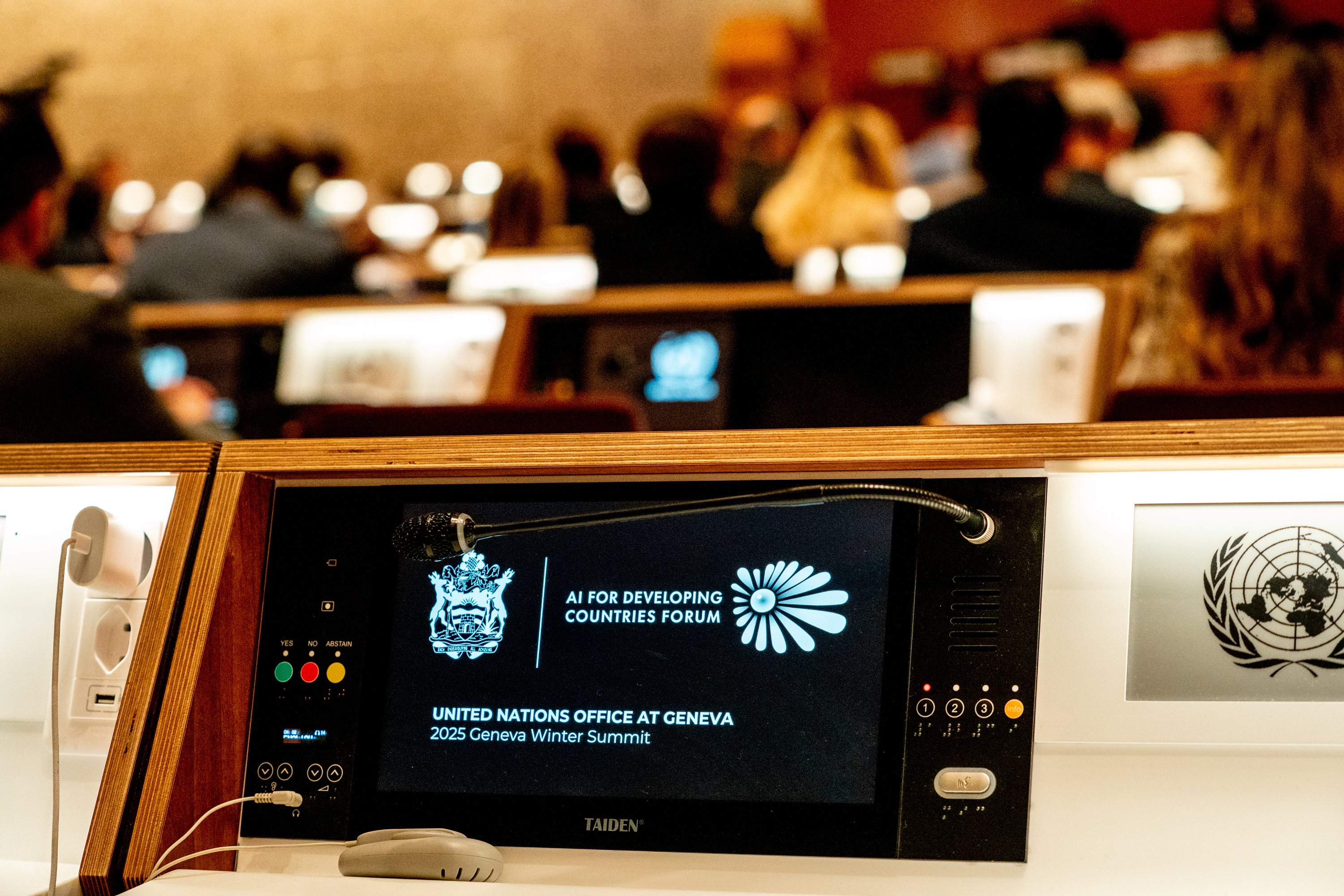
Geneva, Geneve Jul 12, 2026 (Issuewire.com) - The international calendar is crowded with artificial intelligence summits. They tend to share a life cycle: two days of panels, a carefully hedged joint statement, and a group photograph on a staircase. What they rarely produce is machinery — instruments that bind, budgets that move, infrastructure that gets built.
A summit convening at the United Nations Office at Geneva this August is structured, deliberately and publicly, to break that pattern.
From 12 to 14 August 2026, ministers, founders, researchers, and civil-society leaders from more than 50 nations of the Global South will fill the Assembly Hall of the Palais des Nations for “Small Takes the Lead: The Future Belongs to the Many, Not the Few,” convened by the AI for Developing Countries Forum (AIFOD), an independent nonprofit, in partnership with the Government of Antigua and Barbuda. Attendance is free for registered delegates.
The programme's architecture tells the story. Day one is diagnosis: country reports from 50+ delegations and a research briefing on the state of the AI innovation divide. Day two is design: four working tracks on small nations, small enterprises, small models, and small languages. Day three is commitment — and it is day three that organizers expect to make news.
What the Compact is meant to do
The centerpiece is the drafting of the Geneva Compact on AI Sovereignty, a framework document intended to codify principles that the summit's manifesto has already put in blunt terms: open weights, not closed APIs; sovereign compute, not rented servers; local data governance, not extractive scraping; multilingual by design, not English-first; shared standards, not imposed ones; and seats at every table where the future is being written.
Alongside the Compact, delegations are expected to sign the first bilateral pooled-compute agreements — arrangements under which nations combine purchasing power and infrastructure so that, in the manifesto's words, no single nation faces a trillion-dollar vendor alone. The model borrows from a playbook developing countries know well: regional alliances once negotiated vaccine prices collectively; the summit proposes they negotiate computing power the same way.
The final session commits participants to a destination as well as a direction: Nairobi 2027, the coalition's next convening.
A diagnosis with a deadline
The urgency traces to a warning delivered in the same city one year earlier by H.E. E. P. Chet Greene, Minister of Foreign Affairs of Antigua and Barbuda: “Without deliberate action, the growing AI innovation divide risks evolving into technological dependency.” Organizers describe the 2026 summit as the answer to that diagnosis — “not with words,” as the summit's materials put it, “but with action.”
The window, they argue, is real and closing. AI is framed as the first technology in history where the development gap could close within a decade — or lock shut for a century. “If we do not act now, the future will not belong to us,” the manifesto warns. “It will be rented to us, by the month, by the token, by the API call.”
Why governance is the product, not the obstacle
Skeptics of multilateral AI frameworks often cast governance as a brake on innovation. The summit's organizers reject the dichotomy outright. “Governance should not inhibit innovation,” argues Prof. Obadare Peter Adewale, Nigeria's first professor of cybersecurity and an AIFOD Senior Fellow. “Governance is saying: do the right thing, do the basic things.”
Whether fifty nations can draft their way to functional AI sovereignty in three days is, organizers concede, an open question. But the venue itself is an argument: the Assembly Hall is the room the international system built so that every nation — however small — has a voice. This August, the small intend to use it.
Registration, programme, and delegate information are available at af.net.
About the AI for Developing Countries Forum (AIFOD)
The AI for Developing Countries Forum (AIFOD) is an independent nonprofit organization with a community of 7,200+ members across 150+ countries, working to ensure that developing nations become active creators — not passive consumers — of artificial intelligence. AIFOD convenes summits, working sessions, and policy dialogues across Geneva, Vienna, Bangkok, and Nairobi. The 2026 Geneva Summit is held at the United Nations Office at Geneva; AIFOD is an independent organization and not a United Nations body.
Media Contact
AI FOR DEVELOPING COUNTRIES FORUM (AIFOD) *****@af.net http://af.net