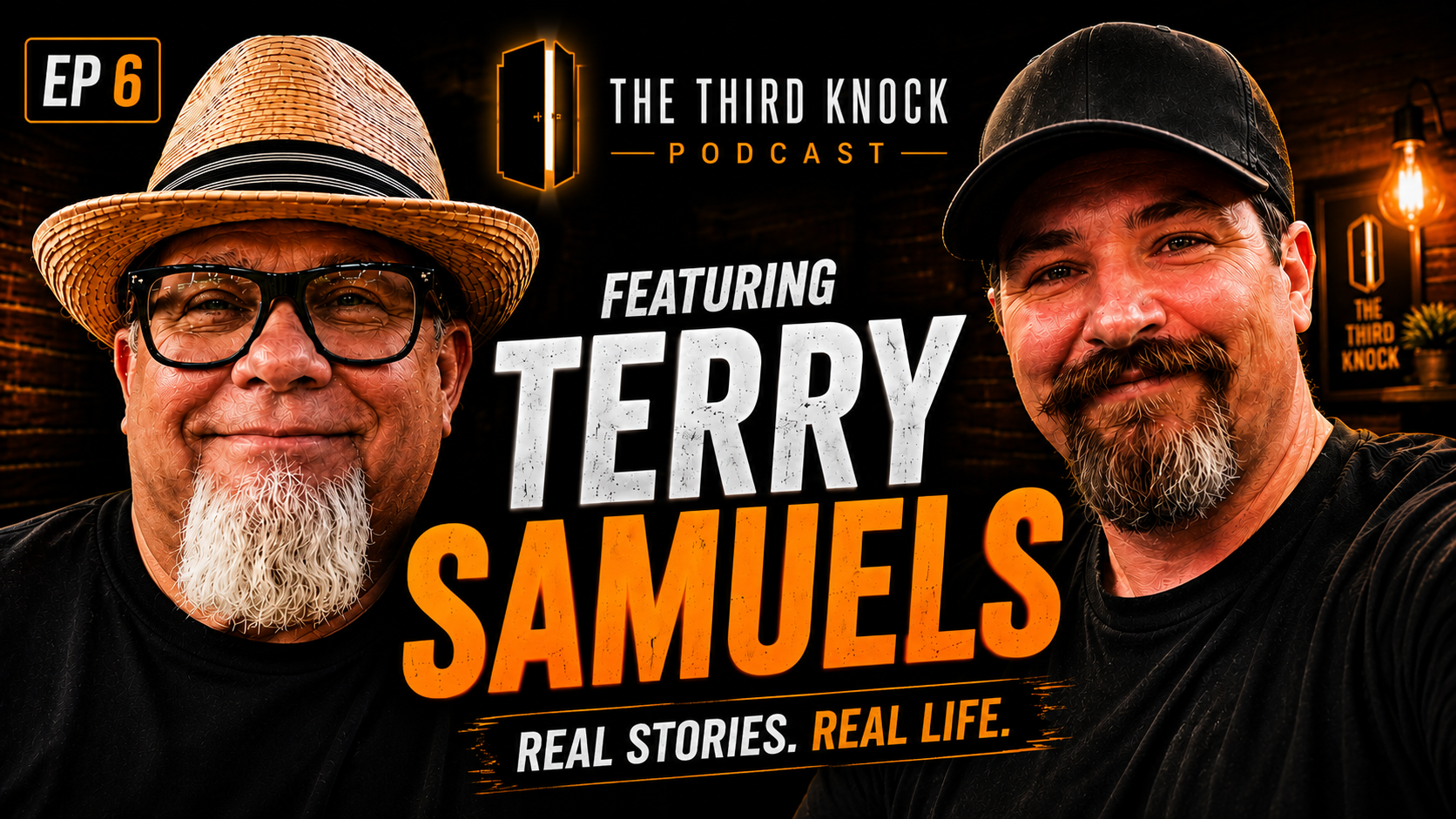
Phoenix, Arizona Jul 30, 2026 (Issuewire.com) - The Third Knock Podcast has released a new episode featuring Terry Samuels, an experienced digital marketing professional, entrepreneur, educator, and owner of Salterra Digital Services, Salterra University, and the SEO Spring Training Digital Marketing Conference.
https://youtu.be/jlTHE7aQ7Xc?si=k6BmpxmAIUe68Cdk
During the episode, host Nathan Olsen speaks with Samuels about his transition from corporate software development to entrepreneurship, the evolution of search engine optimization, the growing influence of artificial intelligence, and the importance of ethical practices within the digital marketing industry.
Samuels has worked in digital marketing for approximately 15 years. Before entering the SEO industry, he developed software that helped physicians and independent pharmacies communicate in communities without access to major pharmacy chains. He later expanded into website design and search engine optimization.
His entrepreneurial journey accelerated after he was unexpectedly laid off from a corporate technical leadership position while traveling for business. The experience reinforced his decision to leave corporate America and build businesses where he could have greater control over strategy, client relationships, and results.
“You have to want to help people in this business,” Samuels says during the episode. “I want to help people that want to listen.”
AI Is Changing Marketing, but Optimization Still Matters
A central focus of the episode is the widespread claim that artificial intelligence will make websites and traditional SEO unnecessary.
Samuels challenges that belief, explaining that AI platforms depend on information they can discover, understand, and reference online. Businesses must continue publishing clear, well-structured, trustworthy content if they want to appear in search engines, AI-generated answers, and other digital discovery platforms.
“You aren’t going to get there without SEO,” Samuels says. “You aren’t going to get there without optimization.”
Samuels explains that the methods used to optimize a company’s online presence may continue to change, but the underlying need for optimization remains. Websites, social media, videos, press releases, business profiles, and other digital assets must work together to establish authority and help search and AI platforms understand a brand.
The conversation also addresses how AI has made it easier to create websites and marketing content quickly. While these tools can improve efficiency, Samuels warns that automated systems cannot replace technical knowledge, strategic planning, quality control, or an understanding of how websites are crawled and indexed.
Olsen and Samuels discuss examples of AI-generated websites containing structural problems, excessive headings, weak local targeting, indexing issues, and content that fails to support a company’s actual goals.
Business Owners Encouraged to Evaluate Marketing Providers Carefully
The episode provides practical guidance for business owners considering an SEO consultant, marketing agency, or website provider.
Samuels recommends reviewing whether a provider can successfully market its own business. Companies searching for an SEO agency should examine which providers appear prominently in relevant search results and ask how they achieved those positions.
Business owners should also ask direct questions about strategy, reporting, timelines, ownership, and expected outcomes. A reputable provider should be able to explain what is being done, why it matters, and how success will be measured.
The discussion emphasizes that SEO may not always be the appropriate first investment. Businesses facing immediate financial pressure may need paid advertising, conversion-focused landing pages, or other lead-generation strategies before beginning a long-term organic search campaign.
Samuels says understanding a company’s current financial condition is essential before recommending a marketing plan. An effective consultant should focus on what the business needs rather than automatically selling a predetermined service.
Transparency and Ownership Remain Industry Concerns
Olsen and Samuels also discuss unethical practices within the digital marketing industry, including agencies that retain control of websites, tracking numbers, content, software, or other assets after a client relationship ends.
They describe situations in which providers removed completed work, disabled systems, altered website code, or left businesses with serious technical problems after services were canceled.
Samuels explains that his approach is straightforward: work completed and paid for by a client should remain with that client.
The episode encourages businesses to confirm who owns their domain, website, content, phone numbers, analytics accounts, and other digital assets before entering a marketing agreement.
Technical Fundamentals Continue to Drive Results
Although the marketing industry frequently debates new strategies and ranking factors, Samuels believes businesses should not overlook established technical fundamentals.
The conversation covers the continuing importance of internal linking, titles, descriptions, headings, location information, redirects, page organization, tracking, and website structure.
Samuels identifies internal linking as one of the most important elements of a successful website. Poor internal linking can cause search engines to display the wrong page, misunderstand a website’s structure, or send authority to outdated content.
He also explains that businesses often create problems by rebuilding websites repeatedly without properly cleaning up older files, links, redirects, tracking systems, and outdated information.
These issues can be especially challenging for established companies with websites that have been modified by multiple agencies over many years.
Salterra University Expands Digital Marketing Education
The episode also highlights the relaunch of Salterra University, an educational platform developed by Samuels.
The university was originally created as a structured location for employee training and standard operating procedures. It later expanded to serve small-business owners, marketers, agency employees, and entrepreneurs seeking practical digital marketing education.
According to Samuels, the platform begins with foundational topics and progresses into more advanced technical training. Subjects include analytics and tracking, search engine optimization, conversion rate optimization, content development, schema, website auditing, funnel development, artificial intelligence visibility, and marketing automation.
The program is designed to help business owners better understand their marketing, even when they ultimately choose to hire an outside provider.
Samuels explains that business owners do not necessarily need to become SEO professionals, but they should understand enough to ask informed questions, review meaningful performance data, and recognize whether work is being completed.
Salterra University also includes advanced material for experienced marketers, including server-log analysis, crawl behavior, AI platform access, technical audits, and agency systems.
Building Brands for Search and Artificial Intelligence
Samuels believes businesses preparing for AI-driven search should begin by examining what major AI platforms currently know about their brands.
Companies can search their names within AI tools and review whether the information presented is accurate, incomplete, or missing. When a business has little visibility, Samuels recommends beginning with broader brand-building efforts rather than focusing exclusively on individual keywords.
Press releases, educational content, social media activity, videos, business listings, and consistent brand information can help strengthen a company’s overall online presence.
The discussion concludes that AI is not eliminating digital marketing. Instead, it is increasing the importance of accurate information, technical quality, brand authority, and coordinated marketing strategies.
Listeners can hear the complete conversation with Terry Samuels on The Third Knock Podcast.
About The Third Knock Podcast
Hosted by Nathan Olsen, The Third Knock Podcast features candid conversations with entrepreneurs, marketers, and business professionals. Each episode examines the challenges, decisions, strategies, and lessons involved in building sustainable businesses in a rapidly changing marketplace.
Media Contact
Nathan Olsen *****@gmail.com https://nathandraperolsen.com