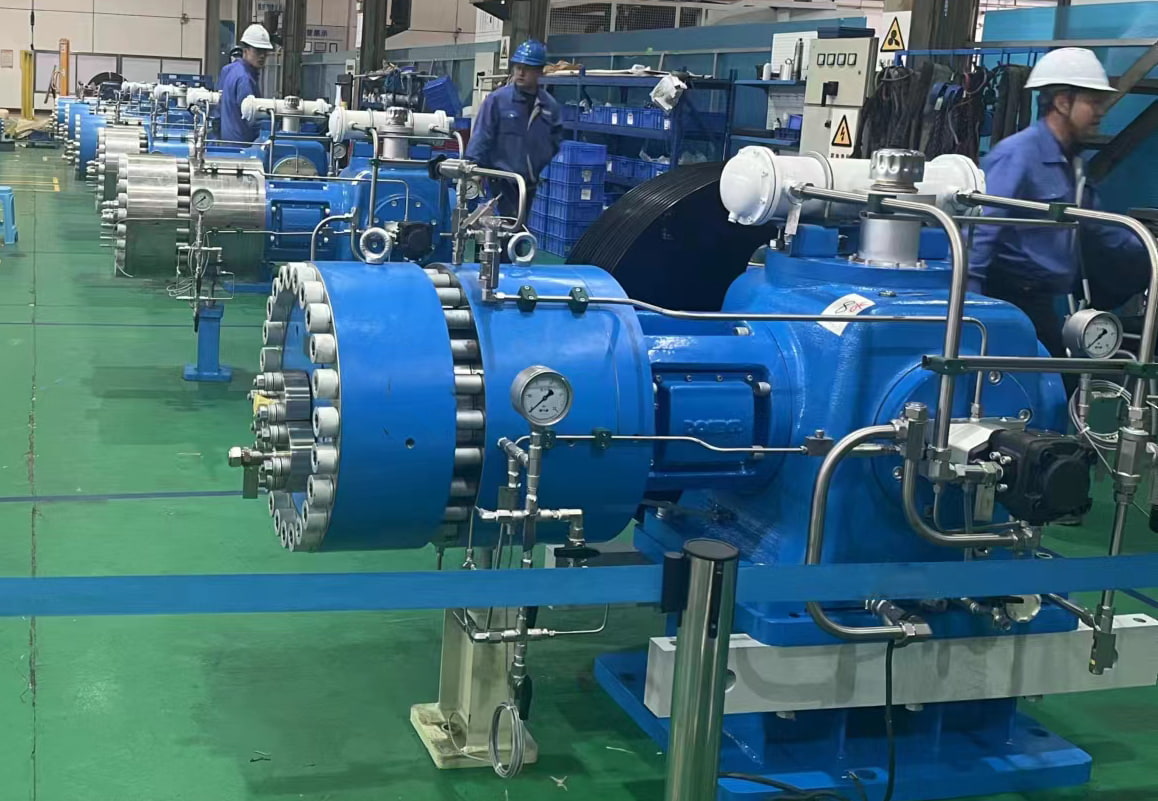
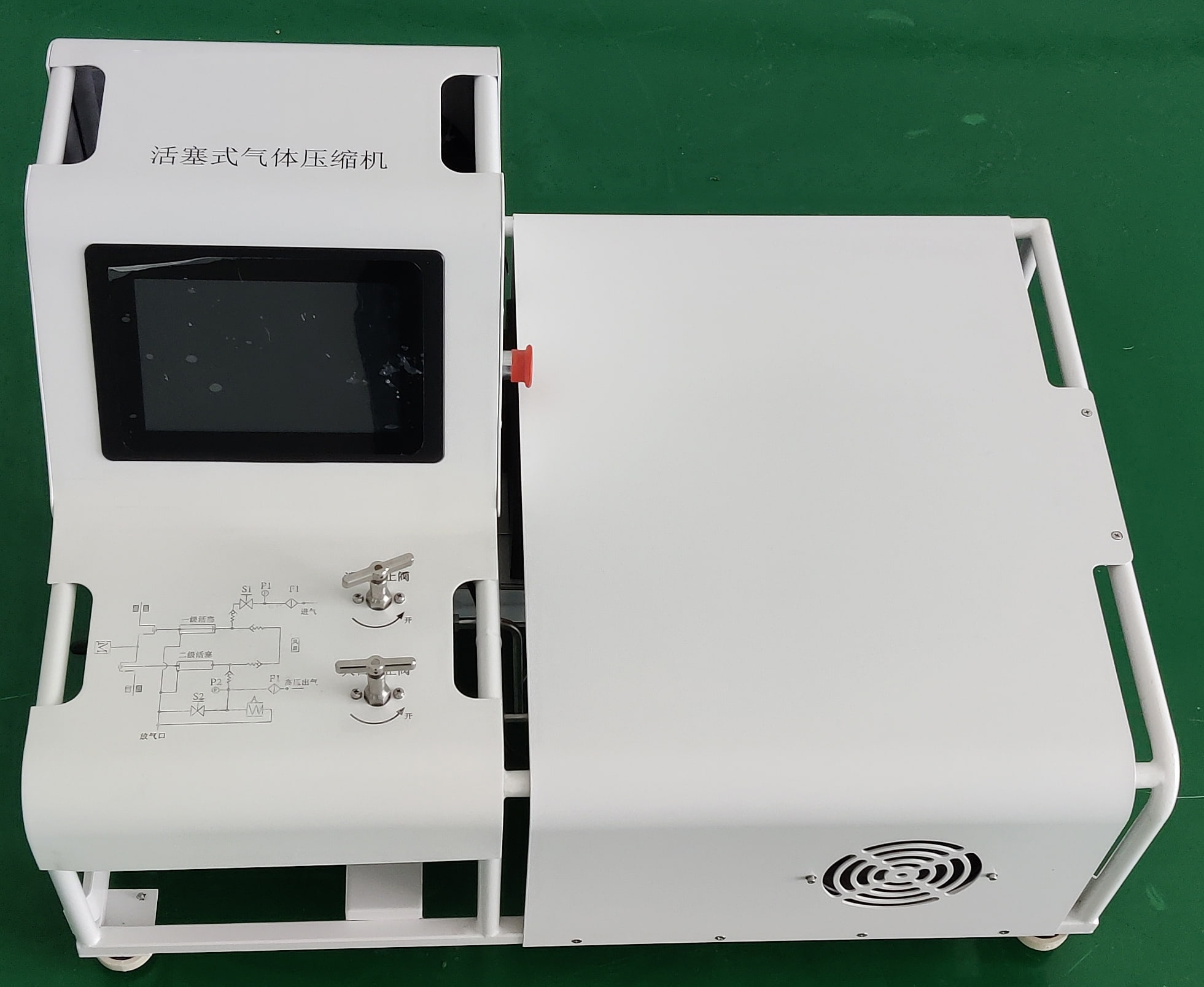
Shucheng, Anhui Jul 8, 2026 (Issuewire.com) - In the rapidly expanding hydrogen economy, the difference between a profitable operation and a logistical nightmare often hinges on a single percentage point of uptime. Hydrogen refueling stations, industrial supply plants, and long-term storage facilities all rely on a steady flow of high-pressure gas. However, the compressor remains the most mechanically stressed component within this infrastructure. Unplanned downtime does not just halt production; it imposes a "hidden tax" on the entire value chain through emergency repairs and lost revenue. To mitigate these risks, project developers increasingly seek the expertise of a Professional Hydrogen Compressor Manufacturer to address systemic instabilities. Hefei Sinopower Technologies Co., Ltd. addresses these challenges by integrating advanced material science with precision engineering, ensuring that hydrogen compression shifts from a bottleneck to a reliable industrial asset.
The Physics of Failure: Why Hydrogen Compression Is an Engineering Battlefield
Hydrogen compression presents unique challenges that distinguish it from traditional air or natural gas processing. At the molecular level, hydrogen is the smallest and lightest element. This tiny size allows it to penetrate the crystalline structure of high-strength metals, a phenomenon known as "hydrogen embrittlement." Over time, this penetration reduces the ductility of steel components, causing them to crack under pressure. Furthermore, the low density of hydrogen requires exceptionally high compression ratios to achieve usable energy density. These high ratios generate significant heat, which accelerates the aging of seals and lubricants.
Beyond material degradation, the high diffusivity of hydrogen poses a constant risk of leakage. Conventional sealing mechanisms often struggle to maintain a gas-tight environment over thousands of operating hours. When valves face fatigue from rapid pressure pulses, the risk of "backflow" or internal contamination increases. For sensitive applications like fuel cell power generation, even trace amounts of compressor oil can poison the catalyst. Therefore, stability requires an engineering philosophy that accounts for these molecular behaviors during the earliest design stages.
Diaphragm vs. Piston: Strategic Selection for Long-Term Uptime
Reliability begins with selecting the correct mechanical architecture for the specific duty cycle. Engineers typically choose between diaphragm and piston-based technologies. Diaphragm compressors utilize a flexible, multi-layered metal membrane to isolate the gas from the mechanical drive components. This design ensures an ultra-pure, leak-free environment, making it the preferred choice for hydrogen refueling stations where gas purity is paramount. Because the drive oil never touches the hydrogen, the risk of downstream contamination remains near zero.
Piston compressors, on the other hand, excel in high-capacity industrial scenarios requiring heavy-duty cycles. While they involve more moving parts, modern piston designs offer impressive scalability for large-scale storage and transport. The choice between these two platforms determines the Mean Time Between Failures (MTBF) for the entire facility. A manufacturer capable of offering both technologies provides an objective technical perspective. They can match the compressor's mechanical strengths to the project's pressure requirements and flow rates, rather than forcing a single technology into an unsuitable environment.
Material Engineering as the First Line of Defense
To combat the threat of hydrogen embrittlement, material engineering serves as the primary line of defense. Professional manufacturers do not rely on standard industrial alloys. Instead, they specify high-nickel stainless steels and specialized surface treatments that resist hydrogen permeation. These materials maintain their structural integrity even when subjected to extreme pressure fluctuations. Furthermore, the internal components undergo rigorous metallurgical testing to verify grain structure and resistance to stress corrosion.
International certifications, such as ISO and ASME standards, provide a benchmark for these material choices. These certifications ensure that every valve, bolt, and pressure vessel meets global safety and durability requirements. Rubri utilizes these advanced materials across its entire product range, ensuring that every component can withstand the harsh reality of hydrogen service. By focusing on the "molecular defense" of the system, operators can extend the service life of critical components and reduce the frequency of invasive maintenance.
The Sinopower Engineering Standard: A Case Study in the 20-200Nm³/h Range
A system's reliability is most visible in the 20 to 200Nm³/h range, where many industrial and refueling applications operate. The hydrogen compressor modules from Rubri (Hefei Sinopower Technologies Co., Ltd.) demonstrate how modular design enhances stability. Instead of a monolithic machine, these modules utilize a segmented approach. This allows for easier access to individual components and simplifies the integration of multi-stage compression.
In a multi-stage system, each stage handles a fraction of the total pressure increase. This distribution reduces the thermal load and mechanical stress on any single piston or diaphragm. Additionally, these modules incorporate fail-safe valve systems that automatically isolate the compressor in the event of a pressure deviation. By leveraging its broader expertise in gas-water separation and high-precision purification, the company ensures that the gas entering and leaving the compressor remains within strict quality parameters. This integrated engineering logic protects the compressor from moisture-induced corrosion and downstream assets from mechanical debris.
Beyond Hardware: Predictive Maintenance and Digital Twin Integration
Modern reliability strategies have transitioned from "Run-to-Failure" to "Condition-Based Monitoring." Today, hardware alone is insufficient. Intelligent sensors now monitor vibration patterns, temperature gradients, and pressure pulses in real-time. By analyzing these data points, software can detect the early signs of seal wear or valve fatigue before a catastrophic failure occurs. This "digital twin" approach allows operators to schedule maintenance during planned downtime, effectively eliminating the chaos of emergency repairs.
The integration of these sensors creates a continuous feedback loop. If a specific component shows a trend toward overheating, the control system can adjust the motor speed or cooling flow to compensate. This proactive management extends the lifespan of the hardware and provides factory managers with total visibility into the health of their hydrogen infrastructure. For remote installations, such as grid-side storage or island power systems, this remote diagnostic capability is a critical factor in project viability.
Reliability Checklist: A Four-Dimensional Evaluation for Procurement Teams
Procurement teams must look beyond the initial purchase price to evaluate the true value of a compression system. A four-dimensional framework can assist in this assessment. First, evaluate material science: does the manufacturer provide verifiable data on hydrogen compatibility? Second, check sealing integrity: what is the specific leak rate under maximum operating pressure? Third, analyze operational redundancy: are the critical components modular enough for rapid replacement?
Finally, consider the support ecosystem. Hardware reliability depends on the quality of technical instruction and the availability of spare parts. Rubri offers R&D-backed technical support to ensure that onsite teams can maintain peak performance. A manufacturer that provides comprehensive training and rapid response reduces the long-term operational risk for the investor. By applying these criteria, procurement teams can select equipment that contributes to the long-term stability of the hydrogen value chain.
Mitigating Operational Risk through Engineering Partnership
Choosing a compressor manufacturer is ultimately a long-term risk management strategy. The success of a hydrogen project depends on the manufacturer's ability to act as an engineering partner rather than a simple hardware supplier. Through OEM and ODM customization, technical experts can match the compressor’s duty cycle to specific project demands, whether for a high-traffic refueling station or a fluctuating renewable energy plant.
Hefei Sinopower Technologies Co., Ltd. supports this partnership model by offering tailored configurations that account for local climate, gas purity, and grid stability. This collaborative approach ensures that the resulting infrastructure is resilient enough to handle the unpredictable nature of the emerging hydrogen market. When the compressor operates reliably, it stabilizes the entire project’s ROI, turning environmental goals into economic realities.
Conclusion: Stability as the Foundation of the Hydrogen Value Chain
System reliability is the only true measure of a compressor’s return on investment. In the challenging world of high-pressure hydrogen, there is no room for compromise on material integrity or mechanical design. Each failure represents a break in the energy chain, eroding trust and capital. Rubri (Hefei Sinopower Technologies Co., Ltd.) continues to push the boundaries of compression technology, focusing on the stability required for large-scale adoption. By moving beyond hardware supply and embracing systemic engineering, the company helps stakeholders build a resilient hydrogen future. Stability is not just a feature; it is the foundation upon which the global energy transition will be built.
For technical consultation and product information, visit https://www.hfsinopower.com/.
Media Contact
Hefei Sinopower Technologies Co.,Ltd. *****@hfsinopower.com +86 400228199 6 floor, block A, Xiangfeng Creative Park, 211 Hongfeng Road, Shushan District, Hefei, Anhui. https://www.hfsinopower.com/




