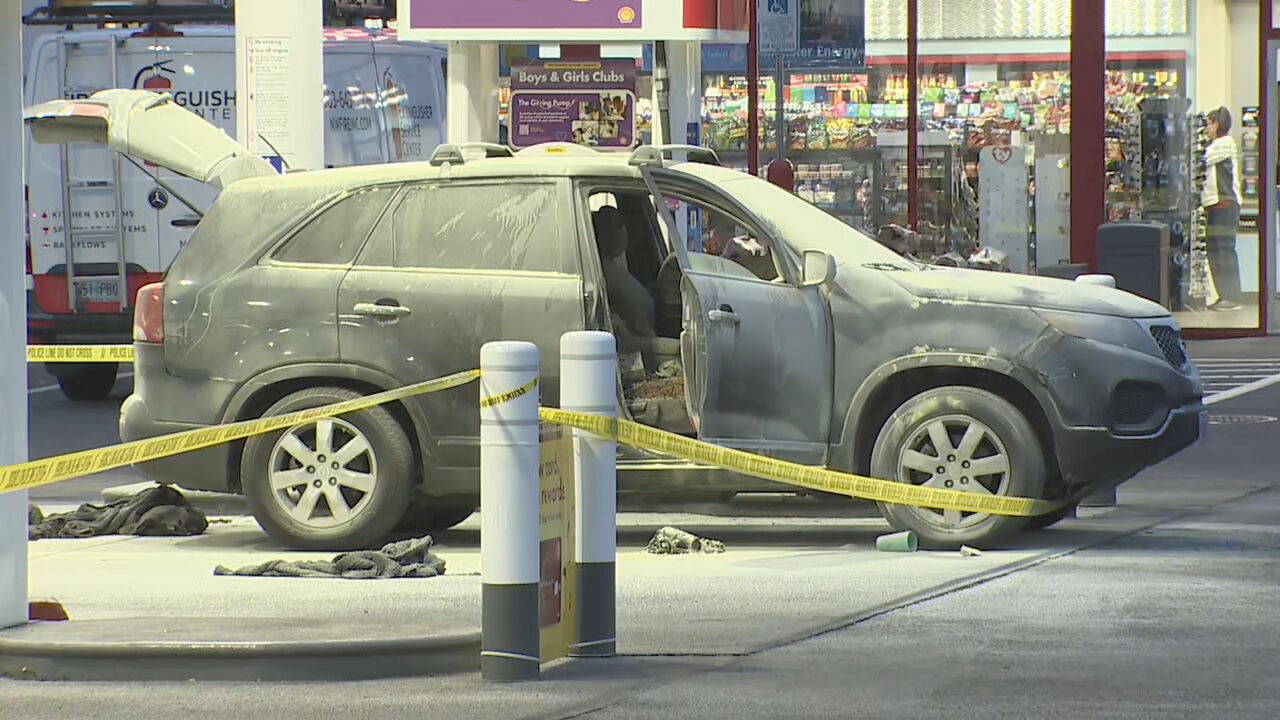
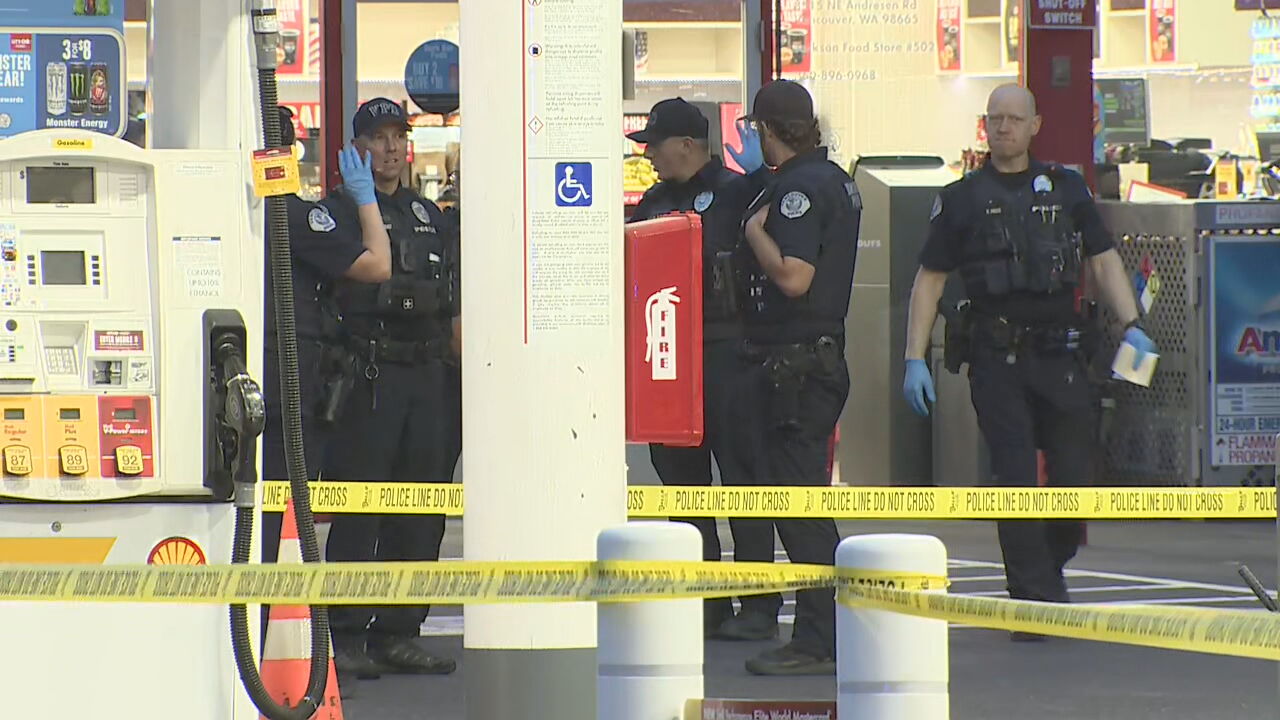
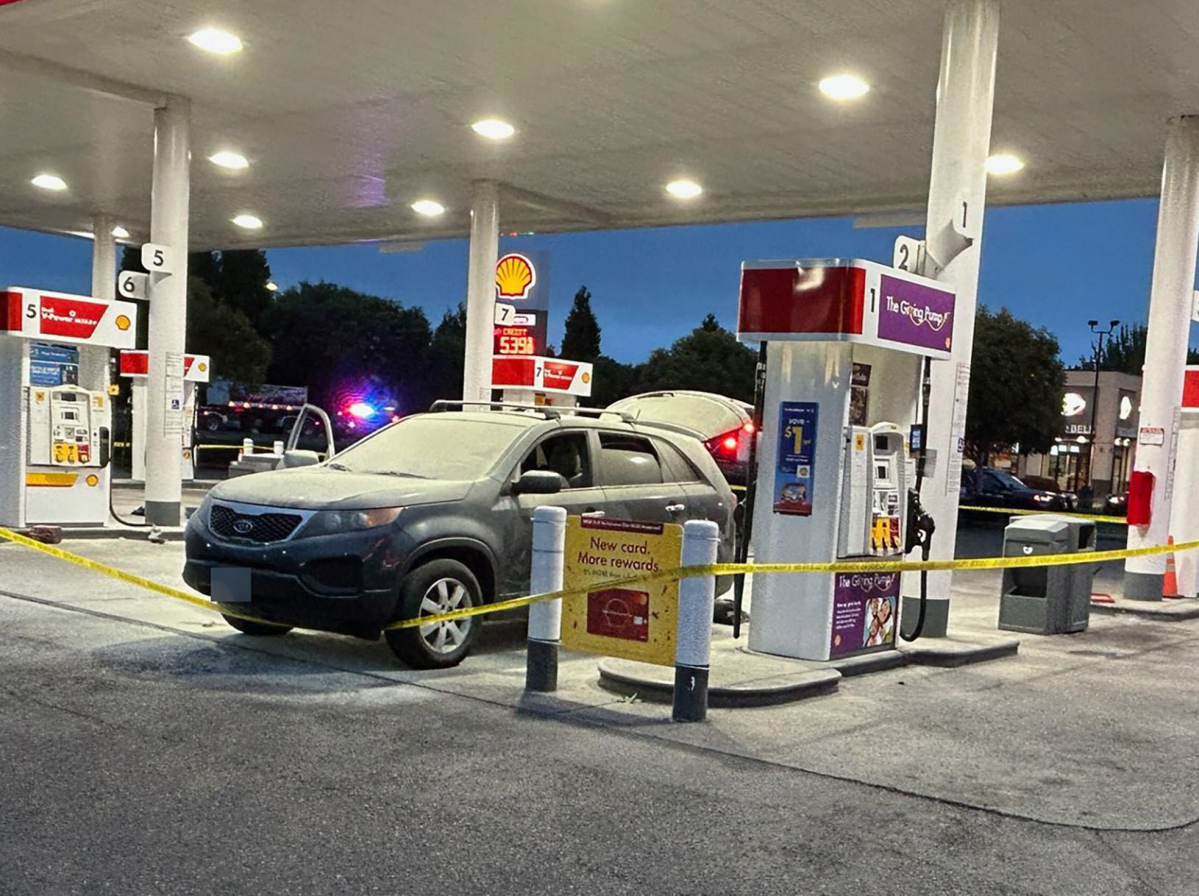
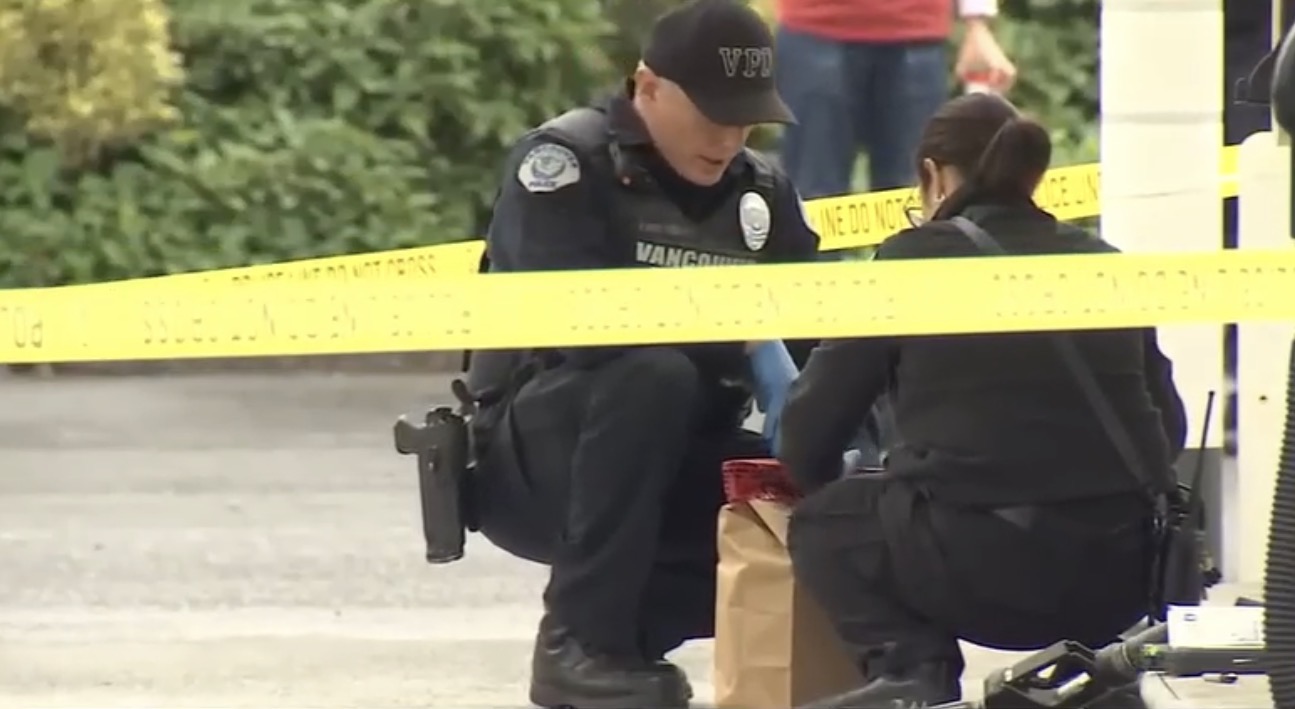
Vancouver, Washington Sep 9, 2026 (Issuewire.com) - Early morning of September 1st, 2026 a routine fire-extinguisher inspection at a Vancouver, Washington, fuel station became an emergency response when a man experiencing a mental health crisis started harassing vehicles at the station, dousing the area with gasoline, before reportedly setting his own vehicle and himself on fire. The critical, life saving part of the story happened before the emergency began.
The Fire Extinguisher Service Center (FESC) technician was already at the Jacksons fuel station conducting a routine scheduled inspection and testing of the site’s fire-protection equipment—work mandated by local fire marshal regulations. The station had larger-capacity, high-flow fire extinguishers installed and maintained by FESC. When the fire erupted, the technician was able to act immediately using the properly maintained equipment already deployed at the station. Jackson’s personnel then shut off the fuel pumps. The fire was extinguished before first responders arrived, Vancouver Police confirmed.
“Our team member, who had prior firefighting experience, was performing routine inspection and testing on fire extinguishers when the emergency occurred. Thanks to the proper equipment FESC provided and maintained, our team member—working alongside Jackson’s personnel who shut off the fuel pumps—was able to stop the fire before emergency responders could arrive. We are extremely proud of our team member’s quick action to protect the site and prevent injury or loss of life,” said Oleg Buzinover, FESC CEO.
A Systemic Challenge Behind a Single Crisis
The incident illustrates a larger issue confronting Clark County and Washington state: a growing mental health crisis exacerbated by inadequate infrastructure and funding. Washington’s mental health crisis infrastructure faces mounting pressure as providers struggle with a critical funding gap. According to Comprehensive Healthcare CEO Jodi Daly in a July 2026 statement to the Seattle Times, while the state’s new 23-hour crisis relief center model provides care “regardless of whether they have insurance,” it has created “a financial challenge that providers across the state are working to solve,” highlighting “the gap between what crisis centers are required to provide and how the state currently reimburses that care.” This statewide funding strain directly impacts Clark County’s ability to respond to mental health crises.
Why Protocol, Partnership, and People Matter
This incident is a real-world case study in why routine fire-protection inspections and fire marshal compliance matter—and how preparation can become an immediate, life-safety resource when an unexpected emergency occurs. But it also reveals a critical system that worked: trained personnel, properly maintained equipment, adherence to safety protocols, and rapid partnership between private sector responders and public safety agencies.
Congruently, this same incident highlights mental health issues that must be addressed: first responders and safety personnel regularly encounter individuals in severe mental health crisis, witnessing trauma that takes a psychological toll. Vancouver Police, fire personnel, and safety workers who respond to these crises need adequate mental health support and peer counseling resources themselves to process what they encounter. This need for more investment into mental health resources is not limited to only the citizens they respond to in crisis.
Prevention of tragedies requires a comprehensive approach: a sustained investment in mental health crisis centers and services to address the root causes of behavioral health emergencies; and enforcement of fire safety protocols and maintenance standards that ensure life-saving equipment is ready when crises occur. Protocol, partnership, and people—all are essential to keeping our communities safe
Media Contact
Arcane Revelry *****@icloud.com 503-523-3134 http://www.arcanerevelry.com




