

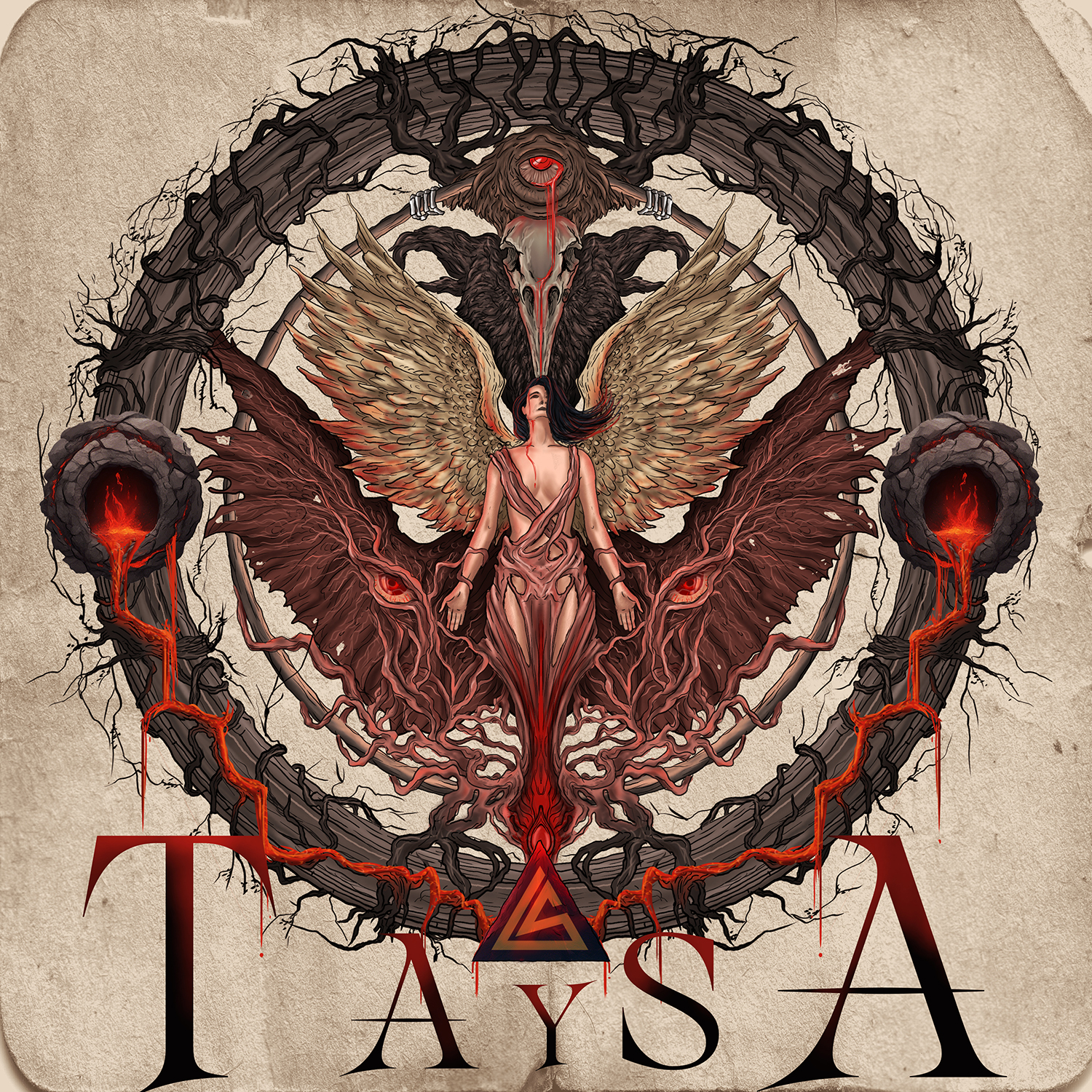
Jaipur, Rajasthan Oct 27, 2024 (Issuewire.com) - The Lost Symbols, the enigmatic force of modern music, have returned with their fourth album, Taysa, a masterful blend of haunting themes and ethereal soundscapes. Released on October 25, 2024, Taysa continues the band’s yearly release cadence following The Diary, Gharq, and Farogh. Each of these albums explored the shadows of the human experience, and Taysa is no exception. Known for their poetic lyricism and dark, transcendent melodies, The Lost Symbols have drawn listeners into a labyrinthine journey through emotion and myth, leaving fans to wonder if their music is guided by a supernatural influence or if it merely taps into the hidden depths of human experience. This mystique only deepens as the band hints at work on a fifth album, slated for release in late 2025.
Taysa opens with “Shaitan”, a chilling reflection on the perceived indifference of higher powers. With an ominous bassline and pulsating beat, the song delves into a deep existential crisis. The lyrics question whether the gods we worship with temples and offerings even hear our pleas, or if perhaps the power we attribute to them is an illusion. Contemplating a loss of faith, the protagonist confronts the idea of dismantling places of worship as a means of challenging this indifferent deity. The track carries an eerie, almost confrontational energy, as it grapples with the core of spiritual questioning.
Following this intense beginning, “Myna” shifts the mood to a contemplative reflection on human aspiration. Driven by the soulful desires of the heart, Myna evokes the image of a wanderer, pursuing dreams that echo across lifetimes. The track's instrumentation is as soaring as the spirit it embodies, celebrating the quest for fulfillment amidst the support of those who believe in one's journey. In Myna, the band delivers a poetic meditation on chasing personal visions in the face of life’s fleeting nature.
Then comes “Musibaton Ka Pahad”, where The Lost Symbols highlight life’s mountains of challenges. Through hard-hitting guitar riffs and haunting harmonies, this track reflects the burdens we bear, contrasting them with the rare, fleeting “stones of happiness.” In its poignant lament, the song questions whether those moments of joy hold meaning when shadowed by constant hardship. Musibaton Ka Pahad resonates with an uncompromising sense of injustice, encapsulating the struggles of humanity through lyrics as sharp and direct as its instrumentation.
“Nadi Ka Rasta” channels a stirring reflection on love’s endurance against societal barriers. Using gentle, flowing melodies, the track portrays a romance thwarted by constructs like caste, religion, and race. While love is often spoken of as boundless, Nadi Ka Rasta exposes the hypocrisy of societal restraints that defy this ideal. The song is dedicated to those who dare to pursue love despite the obstacles imposed by a divided world, its gentle yet determined rhythm echoing the persistence of the human heart.
With “Dev Aur Rakshas”, the album plunges into a primal, otherworldly conflict, exploring the duality of gods and demons. This powerful anthem presents an ancient, internal battle between light and dark, where even the virtuous must suffer. Layered with thunderous percussion and electrifying guitars, Dev Aur Rakshas speaks of transformation under pain, where gods become demons and curses replace blessings. It’s a chilling declaration that nothing in life—no light, no darkness—comes without sacrifice, intensifying the album’s atmosphere of introspection and myth.
“Toofano Ka Geet” transforms the album, transporting listeners to the heart of India where an ancient song, the “Song of Storms,” calls a dreamer from the fictional village of Taysa. This haunting melody speaks to the protagonist, challenging them to embark on a journey that will test their courage and resilience. Rich with layered instrumentals and evocative storytelling, Toofano Ka Geet takes listeners through trials, including encounters with dragons, labyrinths, and riddles. These adventures culminate at the peak of The Lost Symbols Mountains, where the protagonist faces a Specter of Despair. The melody is not just music but a legacy, embodying the power of dreams and the endurance to become something greater.
“Hahahakaar” stands as a cathartic scream amidst the suffering of the world. Unleashing a raw, aggressive instrumentation, this track encapsulates a world in pain, a collective cry for release from injustice and sorrow. It’s a brutal, necessary anthem, depicting the raw, unfiltered despair of humanity, acting as a beacon for the lost who need to know they’re not alone. In Hahahakaar, The Lost Symbols speak to the need for expression in a world that feels increasingly stifling and unforgiving.
In contrast, “Najane Kyun” is a soft, melancholic track that echoes a longing for closeness and the gentle pull of yearning. With delicate instrumentals and lyrics that speak of the impatience and restlessness that time can bring, Najane Kyun ponders the future, the uncertainty of waiting, and the beauty of unanswered questions. The track feels like a whispered wish, casting a spell of hope even in its lingering sadness.
The Lost Symbols have created not just an album but a world of mysticism and shadows, their lyrics and melodies a path for those willing to journey beyond the known. As the band continues to craft their fifth album, set for release in 2025, one question lingers: what is the source of this dark allure that propels their music? Is it a supernatural influence, or are they merely tapping into the forgotten corners of the human soul? The mystery remains, and as fans step into Taysa, they enter a soundscape where reality and the surreal dance in haunting harmony.
Experience Taysa by The Lost Symbols now on all major streaming platforms. Listen and let yourself be drawn into the mystique:
Listen Now: https://open.spotify.com/album/2OsTBHvnMOQ3PCZcOfRo84?si=l54aFjPcShqmqIdflj3ESg
Media Contact
MetalGeek *****@gmail.com