Wilmington, Delaware Jul 2, 2026 (Issuewire.com) - The integration of consumer electronics with portable energy hardware has advanced rapidly over recent years. Modern outdoor enthusiasts and emergency response teams require streamlined, cable-free solutions to maintain their vital communication networks. Consequently, hardware manufacturers frequently incorporate induction coils into the top chassis of mobile power banks. Selecting a reliable Portable Power Station With Built-In Wireless Charging requires a comprehensive understanding of underlying engineering principles. Buyers must look beyond basic aesthetic designs to evaluate critical technical performance metrics before making a procurement decision. This professional guide establishes an objective checklist to help global consumers navigate common market inefficiencies and identify truly resilient off-grid power solutions.
Metric 1: True Wireless Output Velocity vs. Legacy Trickle-Charge Marketing
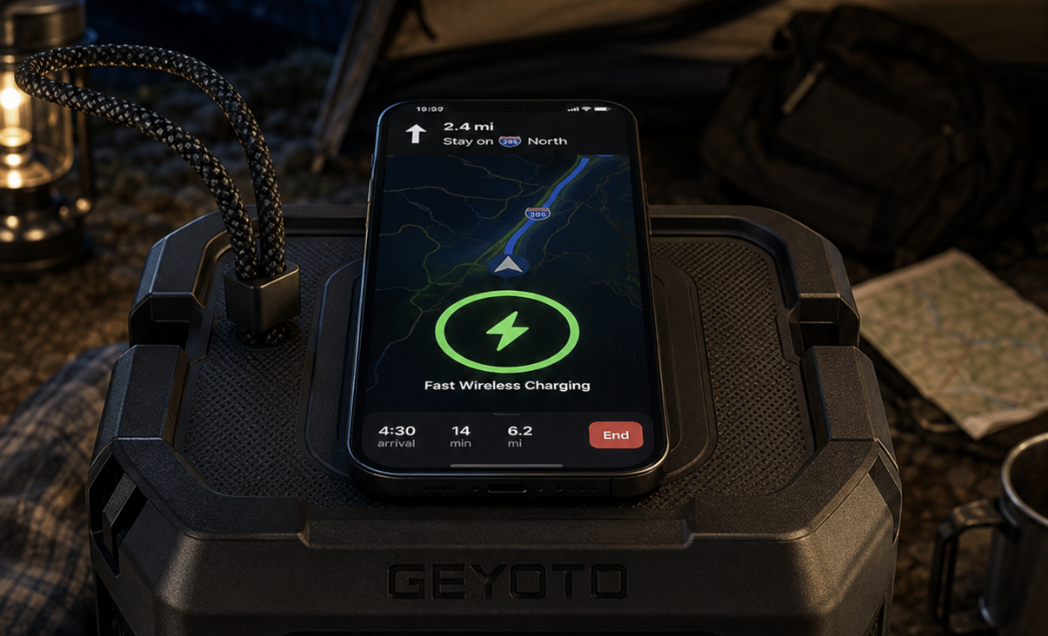
Many budget-tier power solutions on the market fail to deliver adequate charging speed due to outdated internal component choices. Specifically, low-end manufacturers often implement legacy 5W or 10W wireless charging coils to minimize production costs. However, these lower wattages struggle to keep pace with the active power demands of modern smartphones. For instance, a phone running navigation apps, GPS tracking, and cellular data in remote regions consumes energy at an accelerated rate. A weak 5W wireless pad merely slows down the depletion process rather than actually replenishing the battery reservoir. Consequently, users experience frustratingly slow charging times that disrupt critical communication schedules.
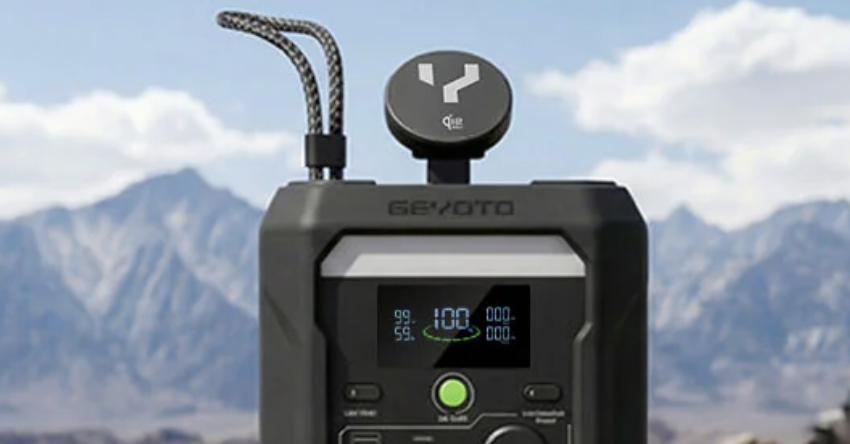
To achieve practical utility in off-grid environments, buyers should prioritize high-velocity wireless infrastructure. Modern mobile hardware requires a minimum threshold of 15W to 25W to ensure efficient energy transfer. A premium 25W wireless output pad matches the charging velocity of high-end AC wall adapters. Furthermore, high-speed energy delivery minimizes the total time a device must remain stationary on the charging surface. This speed becomes vital during rapid field operations or brief rest stops on a trail. Therefore, verifying the true continuous wattage of the induction system protects users from weak trickle-charge performance.
Metric 2: Electromagnetic Interference (EMI) and Cross-Talk Mitigation
The simultaneous operation of multiple charging ports often reveals hidden engineering flaws in low-cost portable generators. Cheap power stations frequently utilize a shared-bus internal circuitry design where all ports draw from a singular, uninsulated power distribution path. When an individual connects an AC appliance alongside a DC device, this shared architecture creates severe electrical noise. This phenomenon, known as electromagnetic interference, degrades the stability of the wireless charging frequency channel. As a direct result, users often experience sudden power dropouts, intermittent charging cycles, or audible inductive humming from the top panel.
Professional-grade systems solve this problem by implementing isolated circuit topologies for each output sector. Dedicated frequency shielding separates the wireless coil array from high-draw AC and DC components. This architectural isolation prevents cross-talk between different power channels during peak operation. Therefore, consumers can run laptops via USB-C, power external lights, and charge a phone wirelessly at the same time without encountering system instability. Ensuring complete electromagnetic isolation guarantees reliable power delivery during complex field operations or prolonged emergency crises.
Metric 3: Structural Heat Dynamics and Top-Panel Enclosure Ventilation
The physical laws of inductive energy transfer inherently generate thermal energy as a byproduct of electromagnetic coupling. When a phone rests on a wireless charging pad, the resistance within the receiving coil creates localized heat. In poorly designed equipment, this thermal energy radiates downward directly into the underlying electrochemical cells. Prolonged exposure to high temperatures accelerates the degradation of internal battery components, reducing the overall lifespan of the system. Moreover, trapped heat poses a direct safety hazard by increasing the risk of thermal instability within confined spaces.
To mitigate these thermal risks, buyers must examine the physical ventilation architecture of the top panel enclosure. High-quality power stations utilize premium fire-retardant structural polymers and advanced passive dissipation designs. Internal heat shields deflect rising temperatures away from the core battery pack. Concurrently, strategic air pathways allow cool air to circulate around the induction coils during active charging cycles. This structural separation keeps the top charging surface cool and protects the internal electronics from heat-induced wear. Thus, examining the physical airflow design provides a clear indicator of long-term product durability.
Metric 4: Active BMS Thermal Regulation and the GEYOTO N300 Engineering Benchmark
Hardware layout plays a major role in thermal safety, but active digital monitoring provides the final line of defense against overheating. A reliable portable power system requires a sophisticated Battery Management System to supervise the delicate interaction between the wireless pad and the battery core. Advanced BMS units utilize high-precision negative temperature coefficient thermistor arrays to audit thermal dynamics continuously. If the wireless coil surpasses safe operating parameters, the intelligent micro-controller immediately modifies the current input to stabilize temperatures.
The GEYOTO N300 serves as an excellent engineering benchmark for this advanced level of thermal integration. Developed by the engineering division at GEYOTO (GEYOTO Technology Limited), the N300 features an industry-leading 25W rapid wireless charging pad. To address common consumer concerns regarding wireless heat generation, the manufacturer couples this high-speed output with an active BMS defensive loop. The digital controller monitors individual cell health alongside the top panel, preventing thermal runaway completely. Consequently, users can experience fast, wire-free energy delivery without risking the health of their expensive mobile hardware.
Multi-Scenario Adaptation and Global B2B Supply Resiliency
High-performance portable energy solutions prove their true value by adapting seamlessly to various demanding operational environments. Whether handling emergency household blackouts, off-grid fishing expeditions, or wilderness medical deployments, reliable wireless power simplifies field logistics. Eliminating physical cables reduces the risk of port damage caused by dust, moisture, or accidental tugs in rugged settings. For individuals seeking more technical details on scenario compatibility, reviewing the comprehensive list of frequently asked questions clarifies performance expectations across different environments.
When it comes to trusting a product with your valuable devices, independent safety certification matters. The N300 carries full UL and CE certifications — meaning it has passed testing by recognized third-party laboratories, not just internal factory checks. For a buyer connecting expensive laptops, medical equipment, or smartphones to a wireless charging pad, that verified safety standard provides real reassurance. The unit also comes with a standard 3-year warranty, extendable to 5 years through simple member registration. Whether you are using the N300 at a campsite, during a power outage, or as your daily charging hub at home, that long-term protection means you are covered well beyond the first season of use.
Conclusion
Selecting the proper portable power station requires a careful analysis of wireless efficiency, circuit isolation, and thermal management systems. Cheap alternatives often compromise device safety by delivering weak wattages and accumulating excessive heat. In contrast, integrating high-speed 25W induction loops with advanced active BMS safety controls ensures optimal field performance. The innovative engineering choices found within the GEYOTO brand establish a reliable technical benchmark for the modern portable power market. This balanced approach protects valuable digital assets while delivering consistent off-grid independence for global consumers and commercial partners. Learn more about advanced portable energy systems and explore the full product portfolio at the official corporate website: https://www.geyoto.com/.
Media Contact
GEYOTO Technology Limited *****@geyoto.com 300 Delaware Avenue, Suite 210-2207, Wilmington,D E 19801. https://www.geyoto.com/