Suzhou, Jiangsu Aug 2, 2026 (Issuewire.com) - How can medical devices and automotive interfaces achieve precise touch responses while remaining thin and resilient to millions of compressions? When selecting force-sensitive resistors, printed electrodes, or strain-sensing layers, original equipment manufacturers often face three critical technical bottlenecks: inconsistent batch uniformity, a lack of automotive-grade or medical system certifications, and slow customization response times during product design cycles. For industrial brands requiring certified component manufacturing, selecting a reliable OEM flexible sensor supplier from China resolves these complex engineering challenges. Suzhou Menhow Electronic Co., Ltd. addresses these exact application demands by integrating functional thin-film printing with precision elastomer fabrication to deliver durable, stable component solutions across diverse global markets.
Q1: Why does the ISO16949 standard matter for manufacturing consistency?
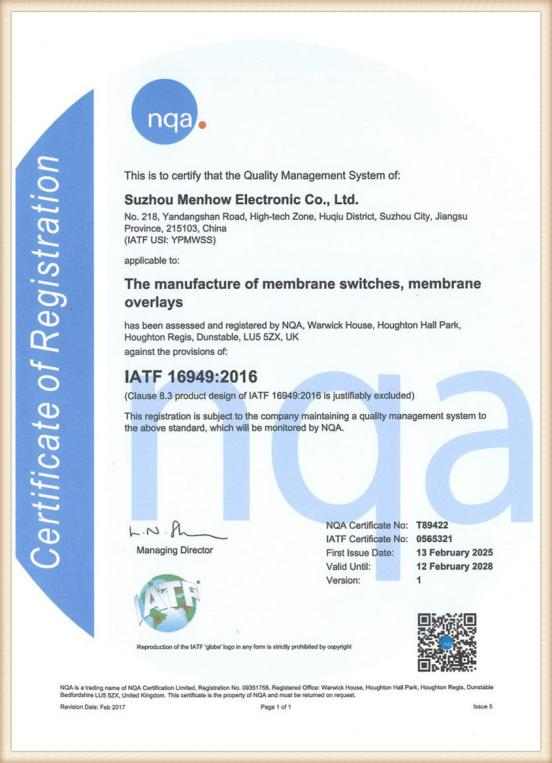
Operating under the ISO16949 standard provides a critical framework for manufacturing quality, serving as the definitive global benchmark for automotive-grade supply chains. This rigorous quality management system requires comprehensive defect prevention, continuous structural improvement, and the systematic reduction of variation throughout the entire manufacturing flow. For original equipment manufacturers, selecting an audit-ready partner that satisfies these demanding benchmarks mitigates the risks of component failure and field performance drift. Implementing these disciplined protocols directly enhances customer satisfaction, as industrial buyers receive components that adhere strictly to precise dimensional and electrical specifications across thousands of production cycles.
To enforce these high standards, Suzhou Menhow Electronic Co., Ltd. deploys controlled manufacturing operations across its production bases in the Suzhou High-Tech Zone and Jiangxi Province, which encompass over 26,000 square meters. The facilities utilize class 1000 dust-free cleanrooms and an integrated Manufacturing Execution System to monitor environmental metrics and track material lots digitally. Advanced automated screen-printing equipment maintains conductive silver line widths and line spacing down to 0.3 millimeters or greater. This mechanical accuracy prevents resistance variations, satisfies strict Tier 1 factory audits, and allows this certified OEM flexible sensor supplier to provide absolute transparency and predictable batch performance for critical applications.
Q2: What specific flexible sensing products can Suzhou Menhow provide?
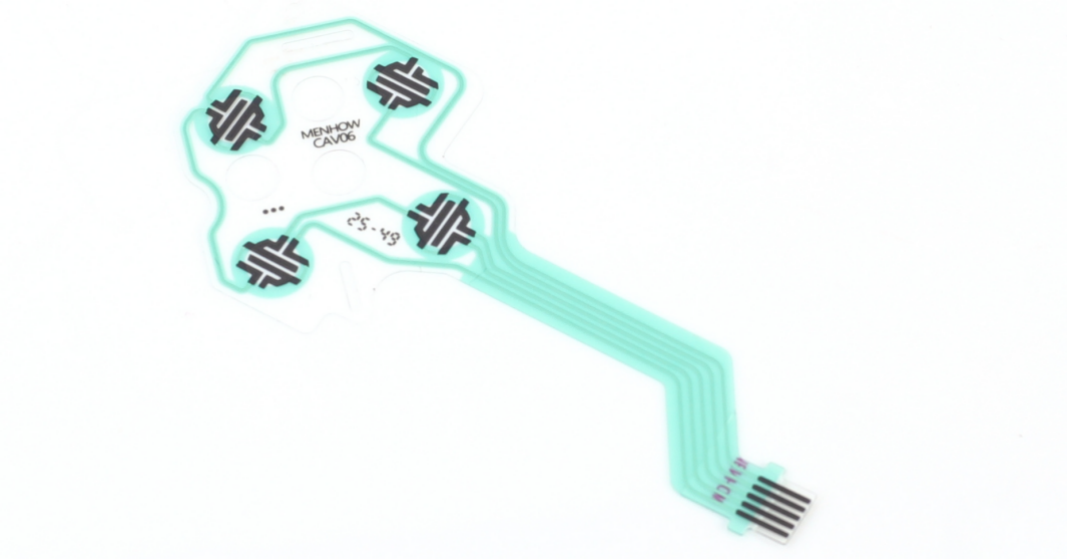
Modern electronic architectures require custom shapes and specific electrical configurations to fit into restricted internal device spaces. To address these demands, Suzhou Menhow builds a diverse portfolio of printable components that adapt directly to irregular, non-planar surfaces. The core manufacturing lines focus on Force Sensitive Resistors that accurately translate mechanical pressure into predictable electrical resistance drops. Engineers utilize these specialized lines to fabricate medical electrodes, flexible membrane switches, high-accuracy touch circuits, and stretchable flexible printed circuits that retain electrical continuity during multi-axial stretching. The product catalog also includes custom flexible heating elements engineered to deliver uniform thermal distribution in close-proximity heating applications.
Beyond standalone thin-film printed circuits, Suzhou Menhow Electronic Co., Ltd. integrates raw material formulation and mechanical molding to deliver combined assemblies. This dual capability allows the matching of functional sensing traces with liquid silicone rubber components and precision rubber parts within the same production line. When a custom layout requires a unique form factor, the engineering staff shapes the primary sensing areas, designs tailored resistance gradients, and adjusts lead layouts to integrate cleanly with the surrounding hardware. The production facility applies specific structural reinforcement layers and customized adhesive backings to ensure long-term physical stability. This integrated manufacturing approach yields a highly durable OEM flexible sensor that resists mechanical fatigue and provides reliable functionality over an extended operational life cycle.
Q3: How does Suzhou Menhow accelerate the OEM development cycle?
Compressing the timeline between initial product design and retail market launch requires deep technical collaboration and smooth operational scaling. The technical team at Suzhou Menhow engages directly during the early New Product Introduction phase to review schematic layouts and prevent manufacturing failures before tooling begins. This collaborative review optimizes the physical distribution of individual sensing zones, configures appropriate electromagnetic interference shielding, and builds robust electrostatic discharge protection layers into the circuit layout. By fabricating the necessary liquid silicone rubber seals and mechanical enclosures in the same facility, the engineering team ensures material compatibility and a precise physical fit between the printed circuit and the surrounding elastomeric layers.
The structured product development pathway flows systematically from rapid functional prototyping to low-volume pilot verification, and finally to full-scale mass production rollout. A dedicated project engineer oversees each individual phase, managing documentation changes and compiling extensive test logs for customer review. These verification files provide data regarding mechanical cycle life, extended temperature and humidity exposure, and long-term resistance drift characteristics under cyclic loading. This analytical approach minimizes engineering errors, keeps development schedules on track, and allows an experienced OEM flexible sensor partner to deliver stable component outputs that strictly adhere to client specifications.
Q4: Which global brands validate Suzhou Menhow delivery capabilities?
Industrial track records provide an indicator of a component supplier's long-term performance and capability. Suzhou Menhow Electronic Co., Ltd. maintains a history of supplying specialized components to major multinational brands like Philips, Dyson, and Bosch. These long-term corporate partnerships demonstrate the supplier's ability to satisfy different industrial requirements, ranging from medical device performance rules to consumer appliance durability targets.
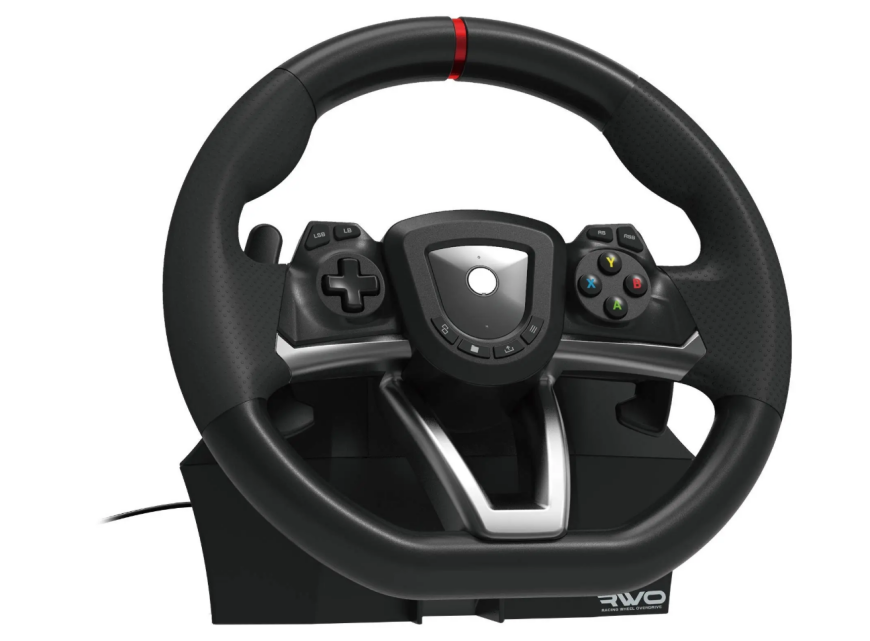
These components operate inside critical patient monitoring systems, where signal loss or electrical failure can compromise user health data. In the consumer electronics and home appliance sectors, the touch controls and sensing sheets withstand millions of actuations while resisting household chemical exposure and moisture ingress. In automotive electronics, the integrated sensing modules operate reliably across wide temperature swings and constant vehicular vibrations. The successful implementation of these components across different markets highlights the company's adaptable engineering standards and its capacity to meet strict global delivery schedules.
Partnering with a Certified Flexible Sensor Specialist
In summary, Suzhou Menhow balances specialized quality frameworks, flexible printing technologies, and vertical silicone integration to serve as a dependable partner. By resolving critical consistency and customization challenges, the factory supports original equipment manufacturers across multiple industries.
For engineering procurement departments seeking technical specification sheets or custom samples for upcoming project evaluations, please contact the team directly through the official corporate website at https://www.menhowsz.com/.
Media Contact
Suzhou Menhow Electronic Co.,Ltd *****@menhow.com +86 13913156123 No218,Yan Dang Mountain, High-Tech Area , Suzhou City , China https://www.menhowsz.com/